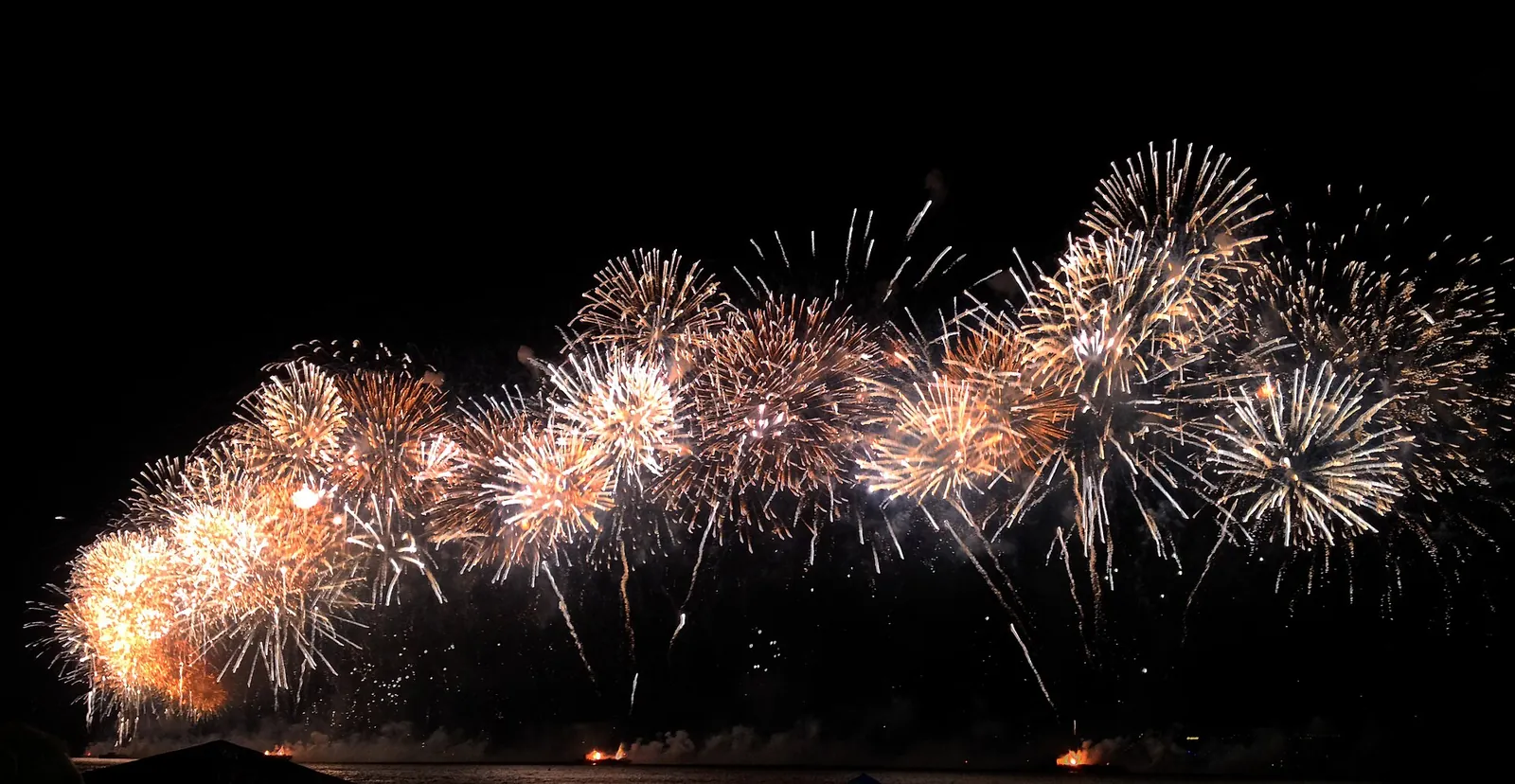
New Year's fireworks over the sea at Copacabana, 1 January 2024
Rio de Janeiro · New Year's Eve 2026-27

Réveillon in Rio de Janeiro 2026-27.

The date, the acts and the rules the city has published so far, with live dates for our homes.

Visiting Rio · 14-min read

Rio's New Year on Copacabana.

Réveillon is Rio's New Year's Eve. This year it runs from the evening of Thursday 31 December 2026 into Friday 1 January 2027, with free concerts and fireworks on Copacabana beach and smaller stages across the city. In December 2025 Guinness World Records named it the largest New Year's Eve celebration in the world, based on 2.5 million people on Copacabana the year before.

The city publishes its plans in stages, so this guide keeps two things apart: what has been announced for 2026-27, and what last year's edition tells you to expect. Everything here was checked on 5 November 2026 against Riotur, City Hall and the transport operators, and the sources are listed at the end. Last year the full program came out on 4 December and the road and metro plan on 26 December. We will update this page when the new versions appear.
See which homes are open for New Year →

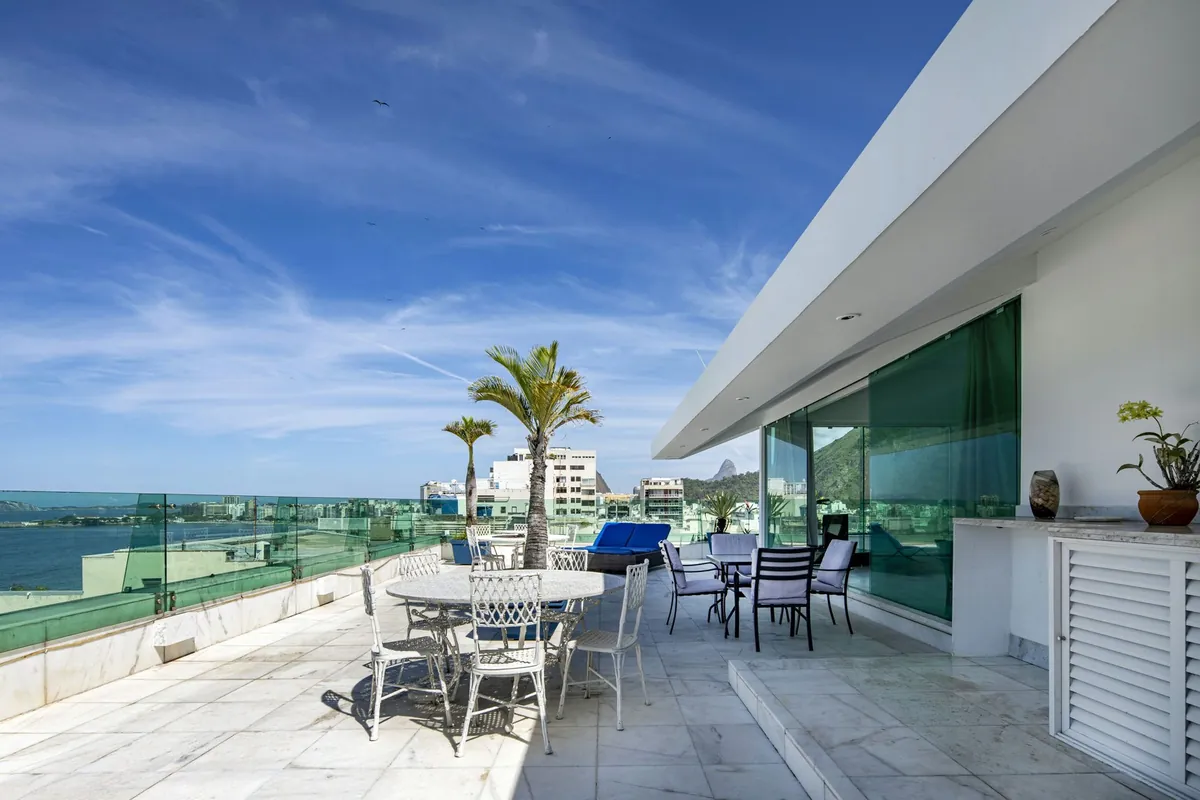
The terrace of our duplex penthouse on Avenida Atlântica, Copacabana
31 Dec 2026 The night Thursday into Friday 1 January
Djavan Announced so far at Copacabana, more acts to come
2.6 million Copacabana last year Riotur's count of the crowd
12 minutes Fireworks last year 19 barges, along the whole shore
01 / 09

What is confirmed for 2026-27.

Three things are on the record so far.

  • The date: the night of Thursday 31 December 2026 into Friday 1 January 2027.
  • Djavan at Copacabana. City Hall announced him on 27 October, his first time on the Copacabana program, in the year he marks 50 years of his career. Press reports place him on the main stage.
  • Fireworks at Copacabana and at Flamengo. In late July Riotur, the city's tourism company, published notices asking for barges, tugs and support launches for both displays in 2026/2027.

Still to come from the city: the other acts and their set times, the list of stages, the length of the fireworks and the number of barges, the road closures and the metro ticket. MetrôRio's Réveillon page still shows last year's rules. Treat every time and price below as last year's until the new notices appear.

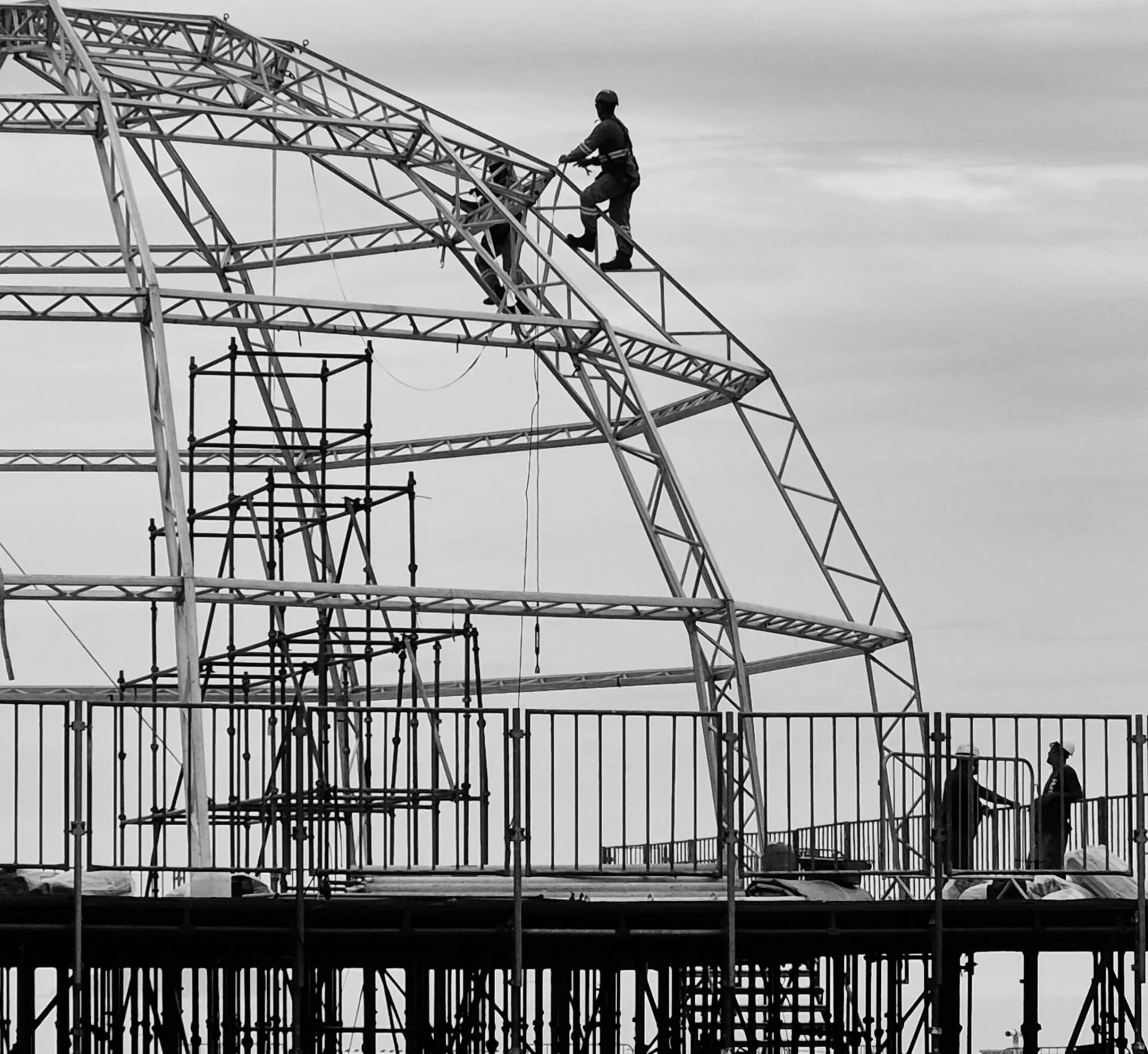
Workers building a Réveillon stage on Copacabana beach, December 2024
02 / 09

The program.

The official program is free. Last year the city ran 13 stages, three on Copacabana and ten in other parts of Rio, and the city counted over 5.1 million people across them. Set times will change, but last year's running order shows the shape of the night.

At Palco Rio, the main stage facing the Copacabana Palace, a DJ played from 18:00. Gilberto Gil and Ney Matogrosso came on at 20:00, Belo and Alcione at 22:30. João Gomes and Iza started at 00:12, straight after the fireworks. Alok played at 02:00 and the Beija-Flor samba school closed the stage at 03:30.

The samba stage, near Rua República do Peru, kept the same hours with Roberta Sá, Mart'nália, Diogo Nogueira and the Grande Rio samba school. The stage at Leme was given to gospel music, with Midian Lima, Samuel Messias, Thalles Roberto and Grupo Marcados from 19:00 until about 01:30.

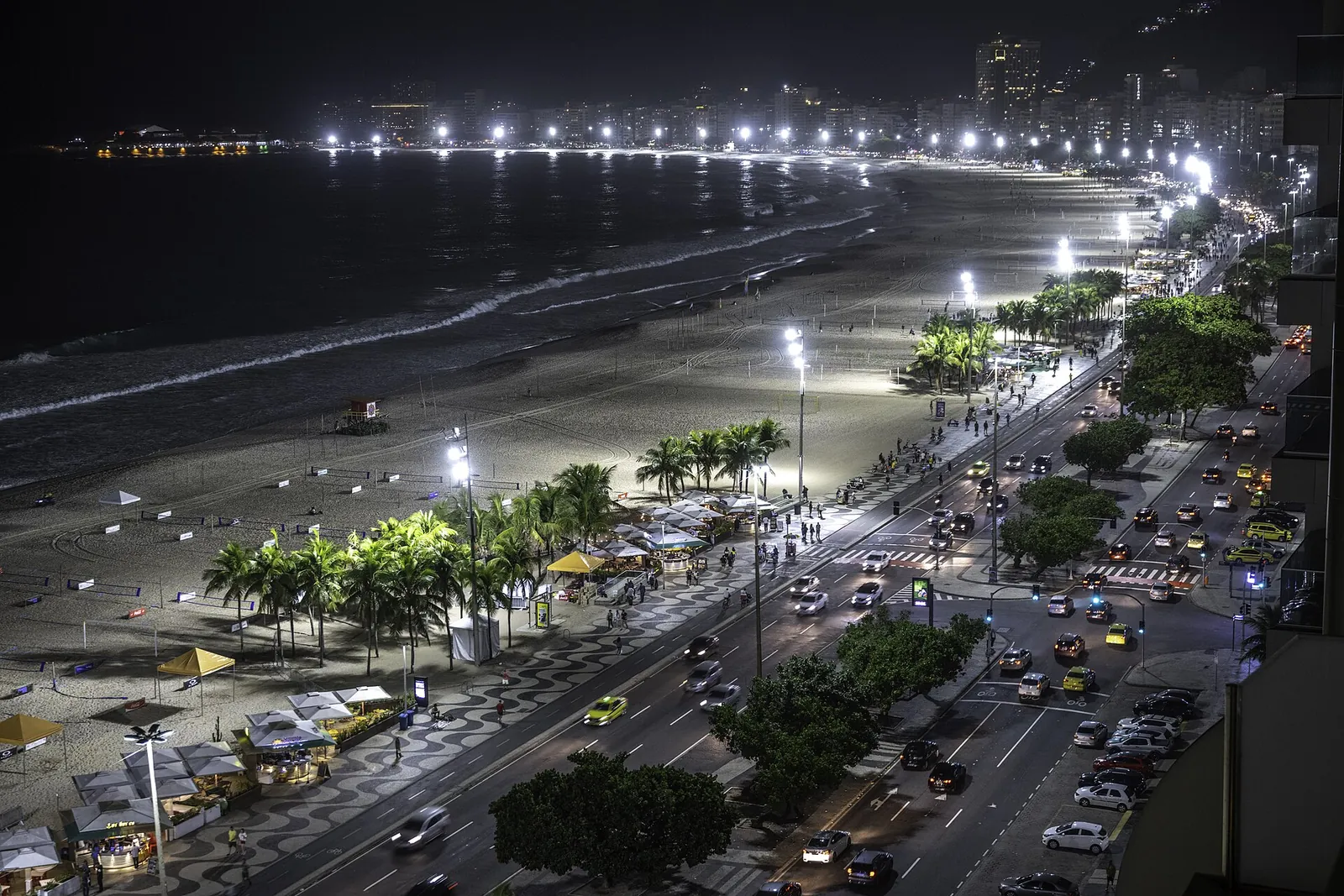
Copacabana beach and Avenida Atlântica lit up at night
03 / 09

The fireworks.

Last year's Copacabana display ran for about 12 minutes from 19 barges spread along the beach, up from 10 the year before, with a show of 1,200 drones and a soundtrack by Alok. Because the barges sit along the whole shoreline, you can see them without standing near the main stage. This year's barge count and running time have not been published.

The same night, smaller displays went up at Flamengo (3 barges, 10 minutes), by the Igreja da Penha (8 minutes), and at Parque Oeste and Parque Realengo (6 minutes each). Flamengo is the one other display with a Riotur notice out for this year.

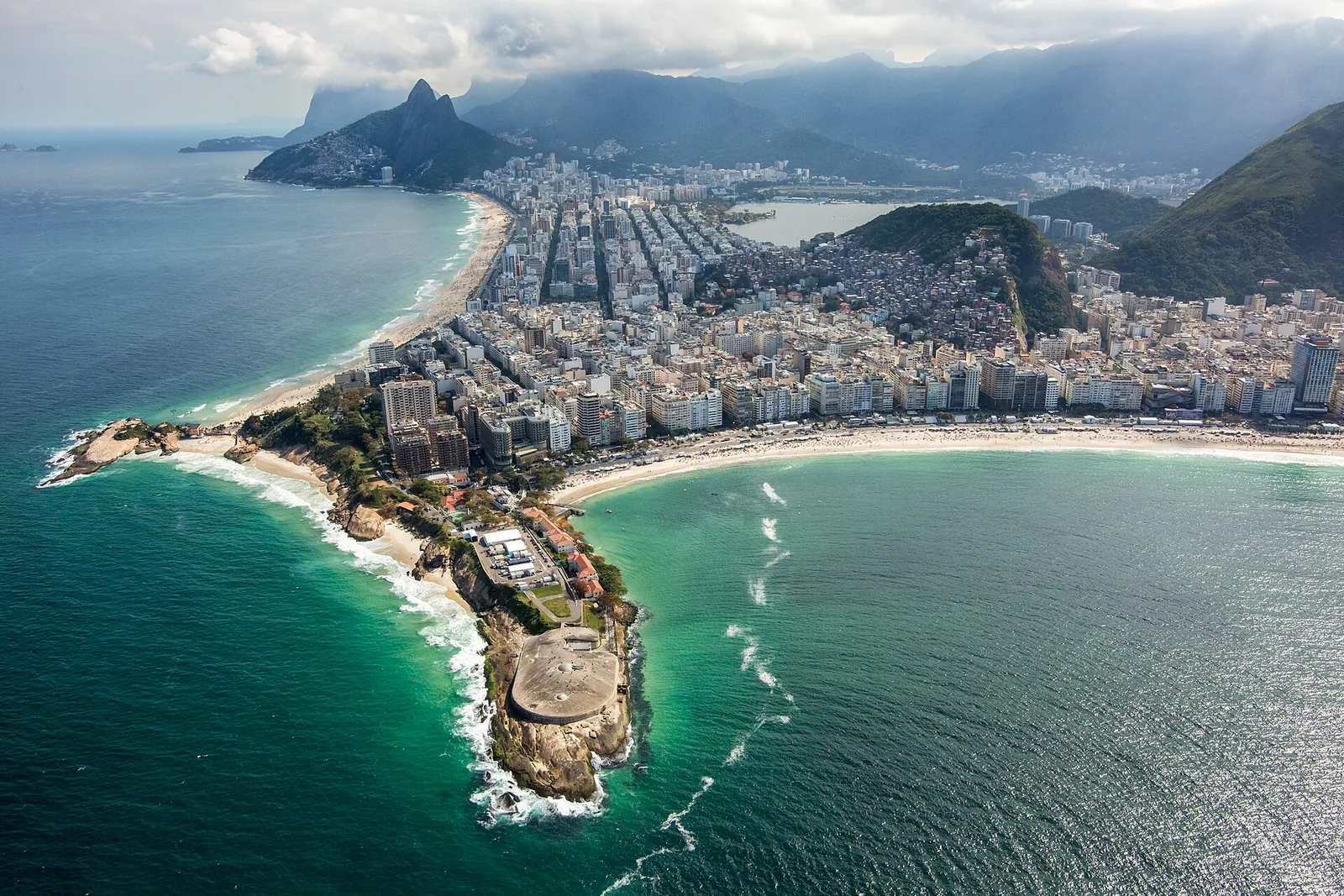
The curve of Copacabana beach seen from the Forte de Copacabana
04 / 09

Where to watch on Copacabana.

The beach runs about four kilometres from Leme to the Forte de Copacabana, so choose your stretch by the music and the crowd you want.

  • Around the main stage. The biggest acts and the thickest crowd: The Rio Times places the densest part between Posto 3 and Posto 5. Arrive early and plan to stay put.
  • Leme. The short stretch at the northern end, next to last year's gospel stage. The same report describes it as less crowded.
  • Posto 6. The southern end, by the Forte. None of last year's three stages stood here, so you give up the concerts and gain room.
  • A terrace on Avenida Atlântica. Front-row buildings look over the sand to the water where the barges sit, and the avenue below is closed to cars. You watch above the crowd, with your own kitchen and bathroom a few steps away.
The full sweep of Copacabana beach from the air, with Leme in the foreground
05 / 09

Other places to watch.

Flamengo has the next largest display and is the closest alternative to Copacabana. Last year its stage stood on Praia do Flamengo at Posto 2, opposite Rua Dois de Dezembro, with Joanna, Moacyr Luz and Samba do Trabalhador, and a Raul Seixas tribute after midnight.

Farther out, last year's neighbourhood stages were at Praia da Moreninha on Paquetá island, Praia da Bica on Ilha do Governador, Parque Madureira, Piscinão de Ramos, Penha, Parque Realengo, Parque Oeste, Sepetiba and Pedra de Guaratiba. All of them were free.

From the water, the Navy expected 200 to 300 recreational and passenger boats last year. It closes the sea around the fireworks barges from 18:00 to 02:00, inspects boats beforehand, gives skippers a zero-alcohol wristband and can limit sailing in bad weather. If you charter a boat, ask the operator to show the Navy's clearance and to tell you where they plan to anchor.

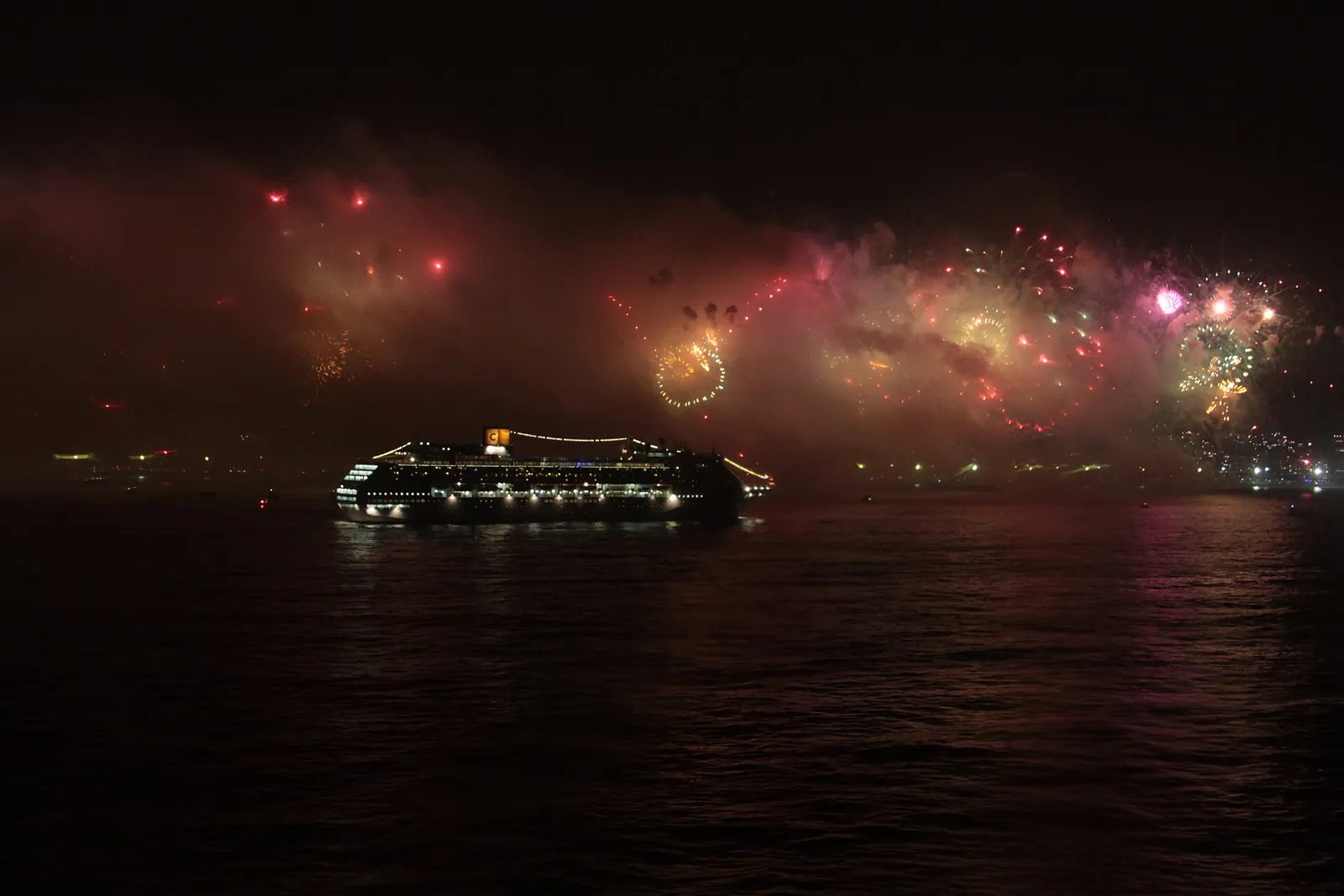
New Year's fireworks over Copacabana seen from a cruise ship, with another ship at anchor, 2012
06 / 09

Getting there and back.

Everything in this section is last year's plan, published by CET-Rio and MetrôRio on 26 December 2025. The 2026-27 versions usually follow the same pattern, and we will correct the times once they are out.

Roads. Copacabana closes in steps:

  • 30 December, 06:00: no parking on Avenida Atlântica and the streets that lead to it.
  • 30 December, 23:00: both sides of Avenida Atlântica close from Princesa Isabel to Leme.
  • 31 December, 00:00: tour buses, minibuses and vans are barred from Copacabana and Leme.
  • 31 December, 07:00: the whole of Avenida Atlântica is closed.
  • 31 December, 19:00: the ways in from Ipanema, Lagoa, the Túnel Velho and Botafogo close, except to regular buses and taxis. The Aterro do Flamengo closes too.
  • 31 December, 21:00: every way into Copacabana is closed to all vehicles.
  • 1 January, 05:00: the neighbourhood reopens, apart from Avenida Atlântica between Rua Francisco Otaviano and Princesa Isabel.

Metro. The Passaporte Réveillon cost R$ 15 for the round trip, up to 10 per purchase, and was sold online until 18:00 on the 31st or until it ran out, and at three stations from 15 to 21 December. From 19:00 on the 31st to 05:00 on the 1st it was the only way on: regular cards and contactless payment were not accepted. You picked an outbound hour, showed a QR code and received a wristband for the ride home.

Cardeal Arcoverde was exit-only until midnight. After midnight you could board at Cardeal Arcoverde, Siqueira Campos, Cantagalo, General Osório and Jardim Oceânico. Glass, fireworks, surfboards, bicycles and anything over 25 litres stay out of the metro.

Buses. 24 city lines and 11 intercity lines ran special services marked Réveillon Copacabana from 18:00 to 21:00. The ride home left from a temporary terminal at Enseada de Botafogo, open from 21:00 until about 05:00.

Taxis and ride-hailing. Neither can reach the closed area after 21:00, so expect to walk toward Ipanema or Botafogo first. If you are staying on or near Avenida Atlântica, arrive by the afternoon of the 30th and you will not need a car again until the 1st.

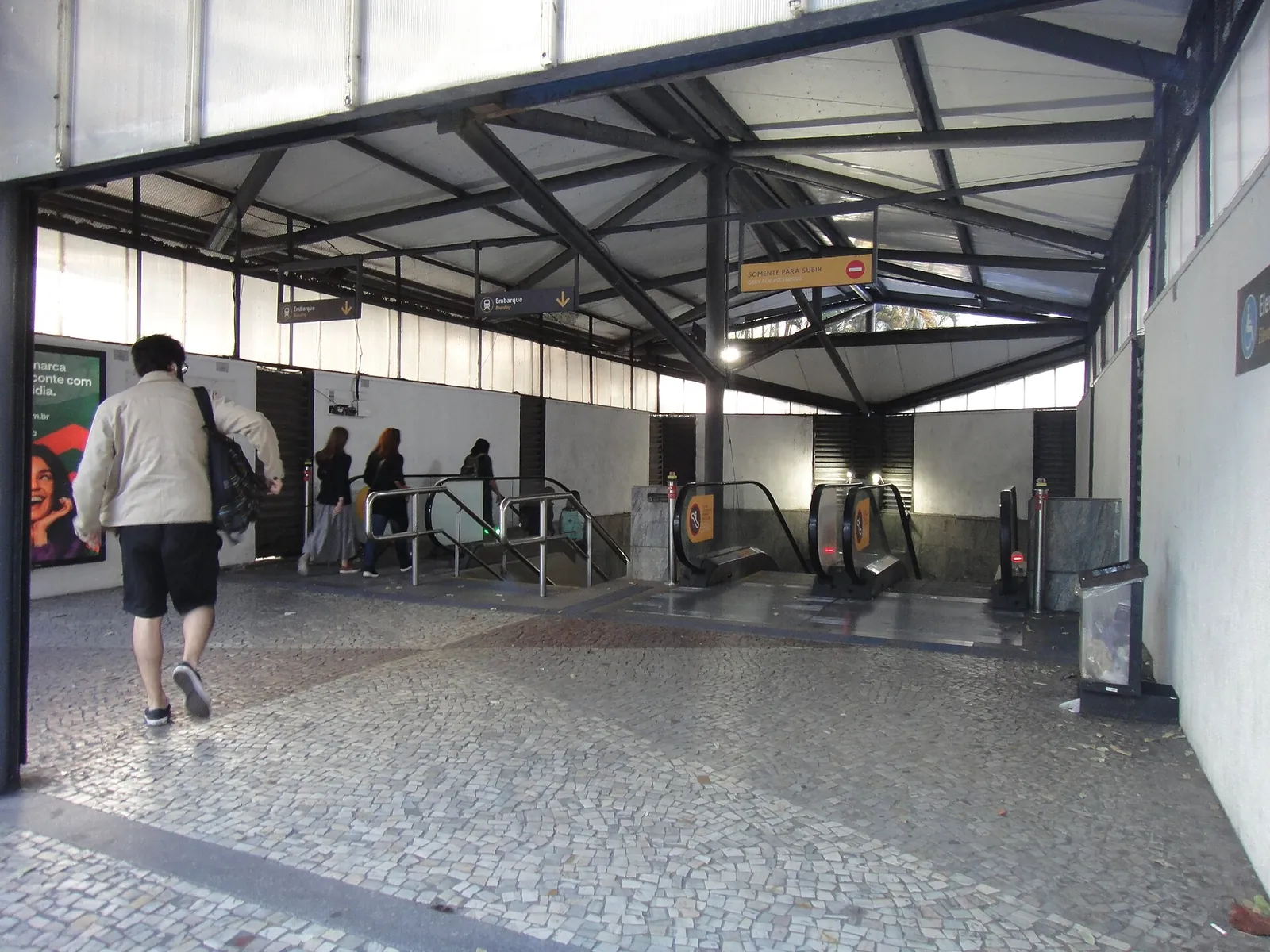
Entrance B of Siqueira Campos metro station in Copacabana
07 / 09

Safety on the night.

Last year the state put 3,500 police officers on Copacabana, with 78 observation towers and 17 checkpoints on the streets leading to the beach. Bags are searched there, and metal detectors and facial recognition are in use. Weapons, glass bottles and fireworks do not get through. The city added 1,370 public-order agents, four medical posts on Avenida Atlântica open from 17:30 to 05:00, and 30 ambulances.

City Hall's own advice is short: drink water, go easy on alcohol, wear light clothes, keep your shoes on, keep any medication with you, check where food and drinks come from, and carry ID and an emergency contact.

Children can get a waterproof ID wristband from the Guarda Municipal at the beach access points and along the promenade, so write your phone number on it. It also helps to leave your passport and spare cards at home, carry a copy of your ID and a little cash, put your phone somewhere zipped, and agree on a meeting point before midnight, when mobile networks tend to slow down. The free COR-Rio app shows traffic, weather and live city cameras.

In an emergency, call 190 for the police, 192 for an ambulance or 193 for the fire brigade. Foreign visitors who need to report a theft go to the tourist police station, DEAT, at Avenida Afrânio de Melo Franco 159 in Leblon.

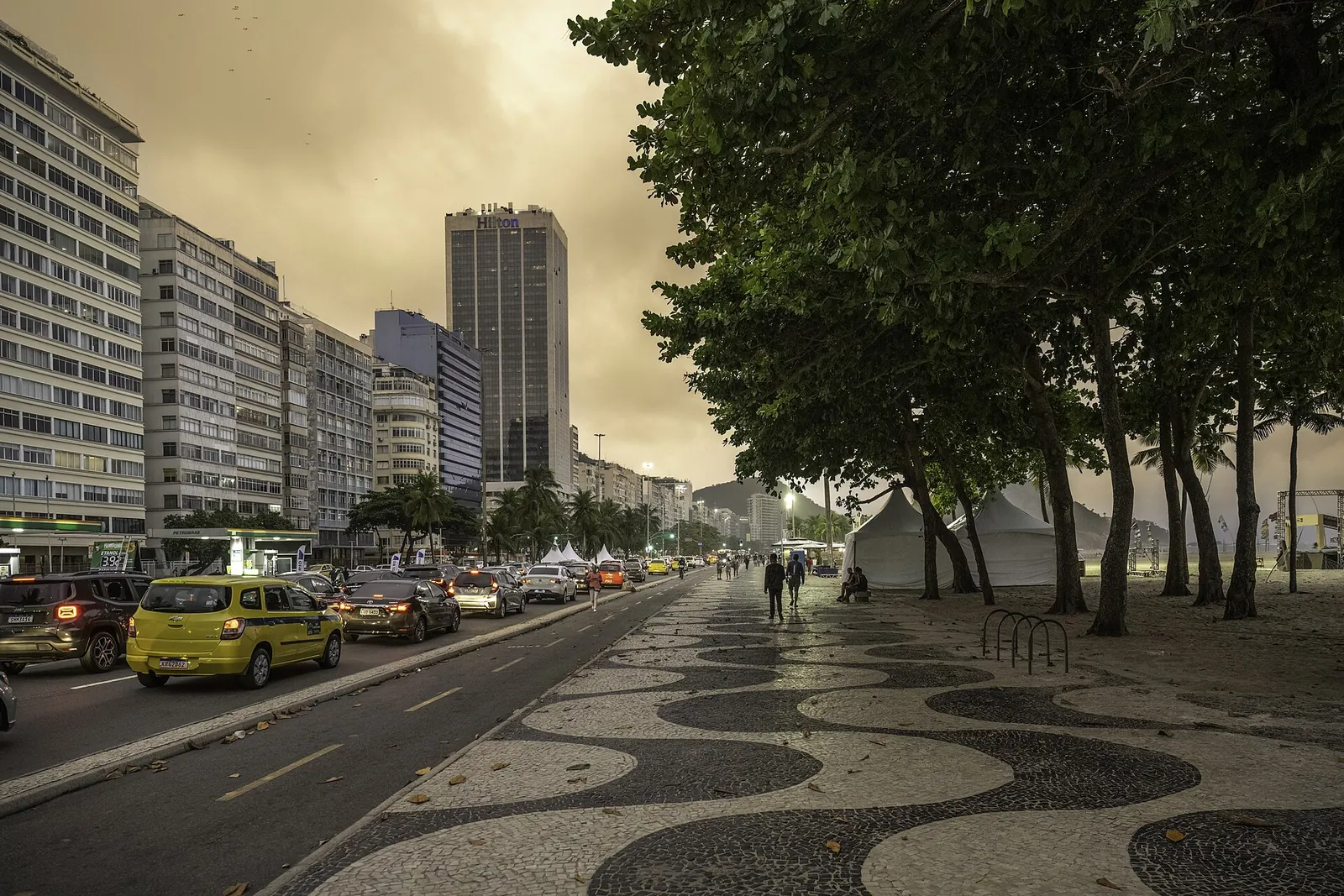
The wave-pattern promenade and Avenida Atlântica at dusk
08 / 09

White clothes, flowers and seven waves.

The customs came before the fireworks. Historians trace them to Umbanda worshippers who gathered on Copacabana on the night of 31 December from the early 1950s, dressed in white, taking flowers and candles to Iemanjá and jumping seven small waves. The historian Ivanir dos Santos dates the turn toward today's show to 1987, when a beachfront hotel staged a fireworks display.

Most people on the sand now wear white, whatever their faith, and you will still see flowers at the water's edge. Pack a white outfit and shoes you don't mind getting sandy. For the religious side, the Festa de Iemanjá do Mercadão de Madureira has paraded to Copacabana on 29 December since 2002, launching its offerings near Posto 4, and has been city heritage since 2011.

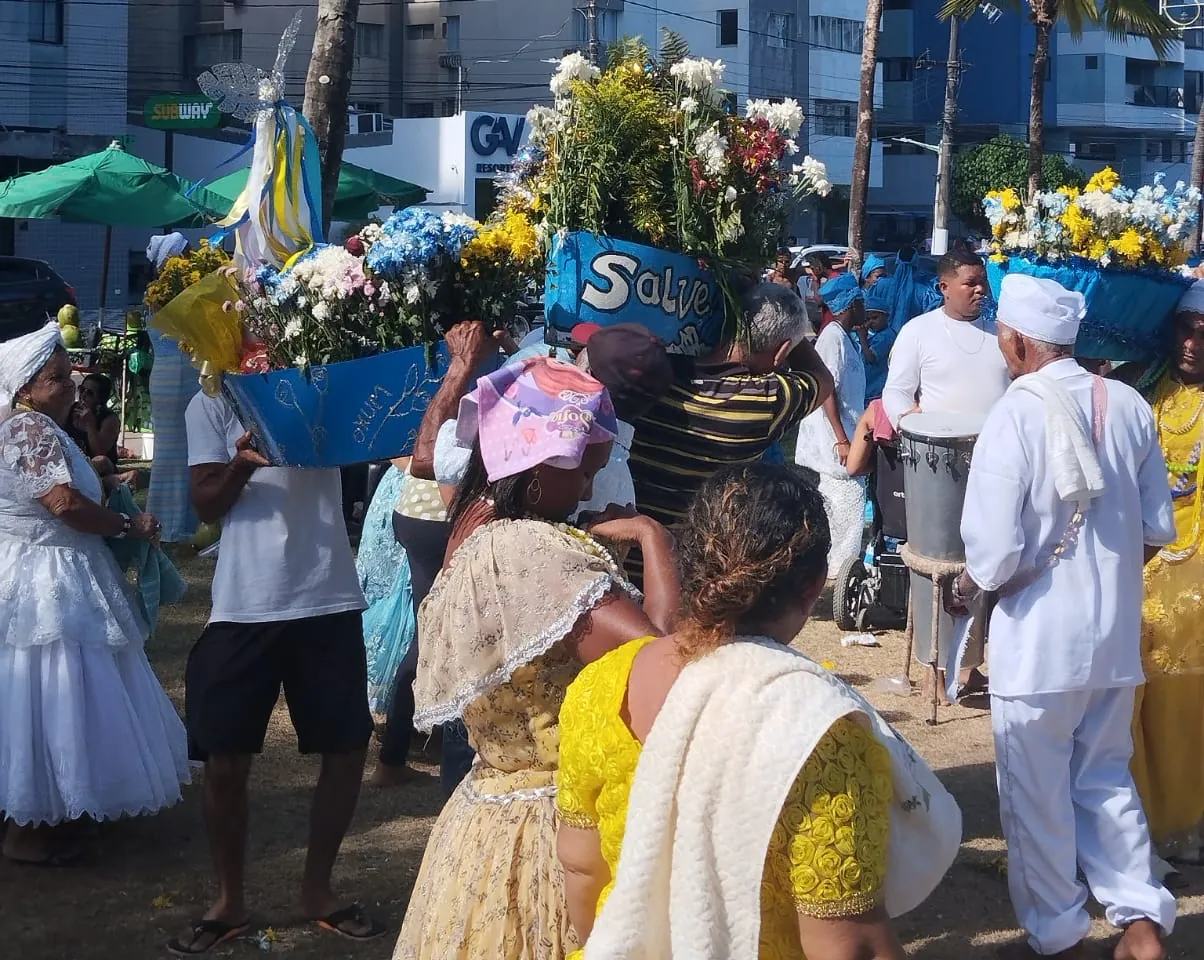
Flower offerings for Iemanjá carried by people in white at the Festa das Águas in Maceió, December 2024
09 / 09

Staying nearby.

Where you sleep decides how much of the road plan you have to deal with.

  • Copacabana. You walk to the sand and walk home. You are inside the closed area, so arrive by the 30th and plan nothing by car until the 1st.
  • Ipanema. The next beach along, a walk from Posto 6, with General Osório among the stations open for boarding after midnight.
  • São Conrado and Vidigal. Past Leblon to the west and outside last year's published closures, with more room and sea views. Line 4 of the metro has a São Conrado station, which last year was open for getting off after midnight.

Rates and minimum stays over New Year are set home by home and change as the calendar fills. The list below reads them from our booking calendar when you open the page, so nothing here goes out of date.

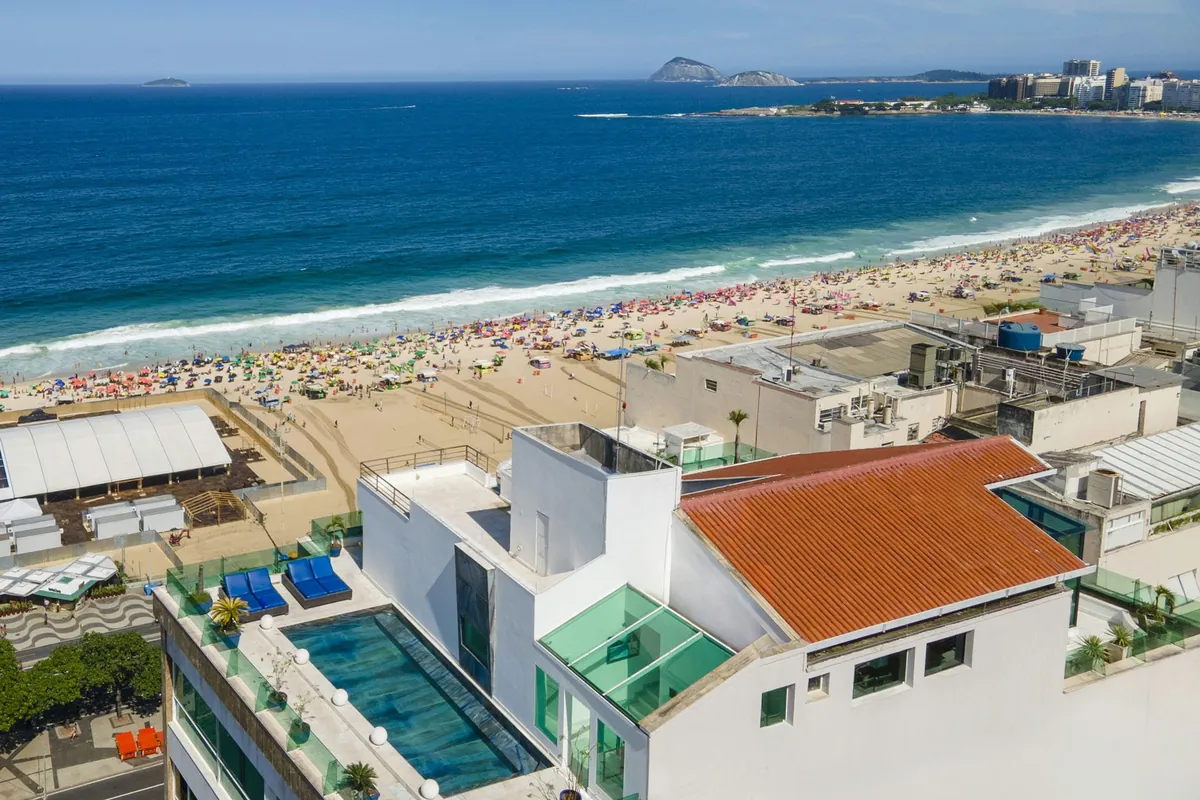
A rooftop pool and terrace above Copacabana beach, looking along the sand toward Ipanema
Где остановиться

Book a home for the trip.

All Rio rentals →

Each home below shows whether the night of 31 December is free, with the minimum stay and a total for two guests. Open any home to change the dates.

Good to know

Questions, answered.

When is Réveillon 2026-27 in Rio?

On the night of Thursday 31 December 2026 into Friday 1 January 2027. Last year the first stages started around 18:00 and the fireworks went up at midnight.

Who is playing Réveillon 2027 on Copacabana?

So far City Hall has announced only Djavan, on 27 October. Last year's full line-up came out on 4 December, so the rest may appear around then.

Do you need a ticket for Réveillon on Copacabana?

No. The city's program on the beach is free. Last year the one thing you had to buy for the night itself was the metro pass, at R$ 15.

How many people go to Réveillon in Rio?

Riotur put Copacabana at about 2.6 million last year, and the whole city, across 13 stages, above 5.1 million.

How long do the Copacabana fireworks last?

About 12 minutes last year, with 19 barges spread along the shore. The figures for this year have not been published.

How do I get to Copacabana on New Year's Eve?

By metro or on foot. Last year every road into Copacabana closed to all vehicles at 21:00, and the metro took only the R$ 15 Passaporte Réveillon from 19:00.

Can I bring drinks to the beach on New Year's Eve?

Leave glass at home. Glass bottles were stopped at the checkpoints last year, and vendors may not sell drinks in glass.

What should I wear for Réveillon in Rio?

White is the custom, in light fabrics. City Hall also asks people to keep their shoes on, so bring a pair you don't mind getting sandy.

Where can I see the fireworks without standing in the crowd?

A terrace in a front-row building on Avenida Atlântica looks straight over the sand to the water. On the beach, the Posto 6 end had no stage last year.

When should I book a home for New Year's Eve?

As soon as you have your dates. Our Réveillon rentals page shows which homes are open right now, with the minimum stay and a total price.

Planning the trip?

Tell us what you want.

Send your dates, group size, and the part of Rio you have in mind. We'll come back with the homes that fit — and the local help to make the days run themselves.