Buying Property in Rio in 2027
Prices are rising fastest in Leblon, Ipanema and Copacabana, rates have started to fall, the real is stronger, and a run of new flights and hotels is changing the city. What that means for a buyer in 2027, and where we would look.

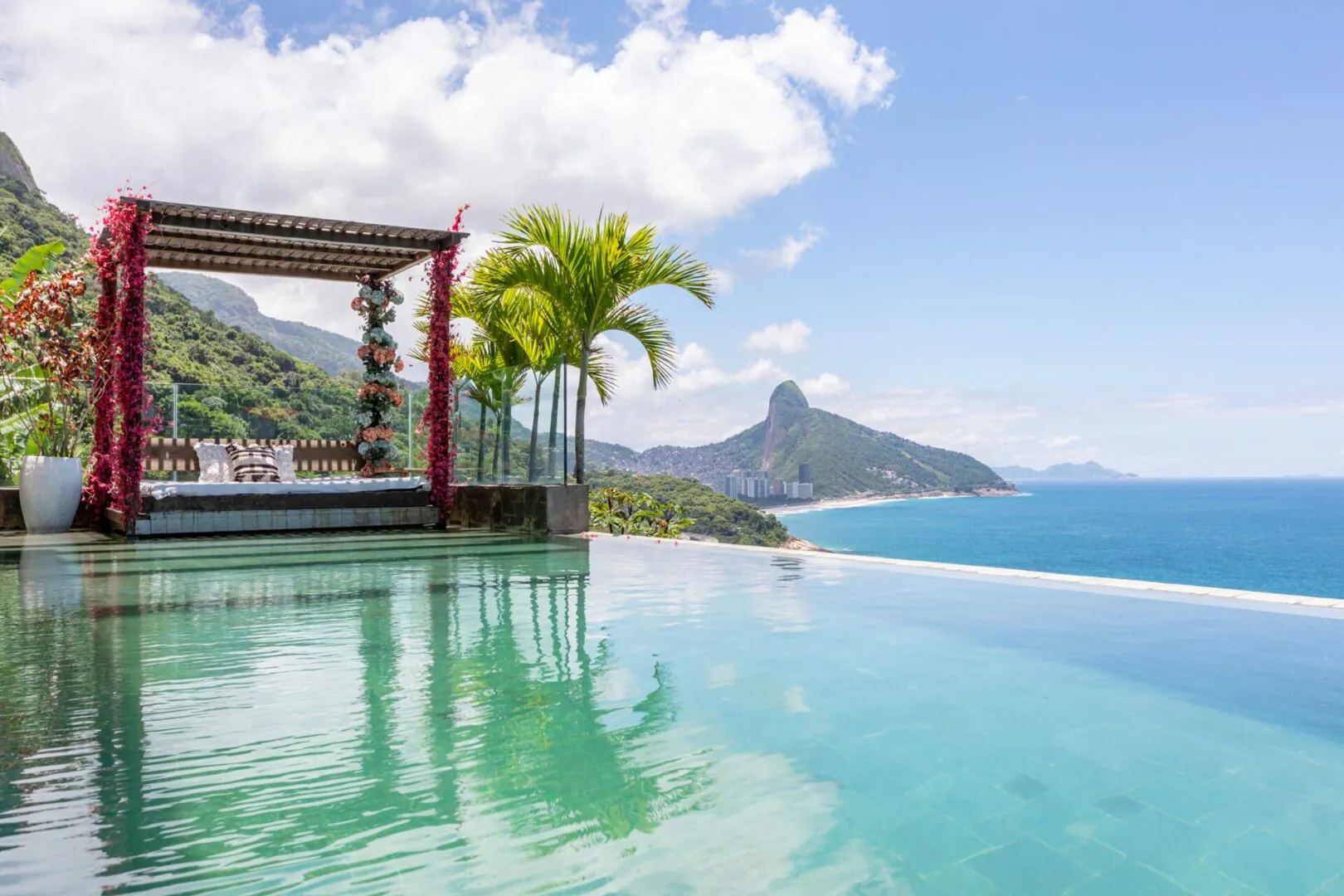
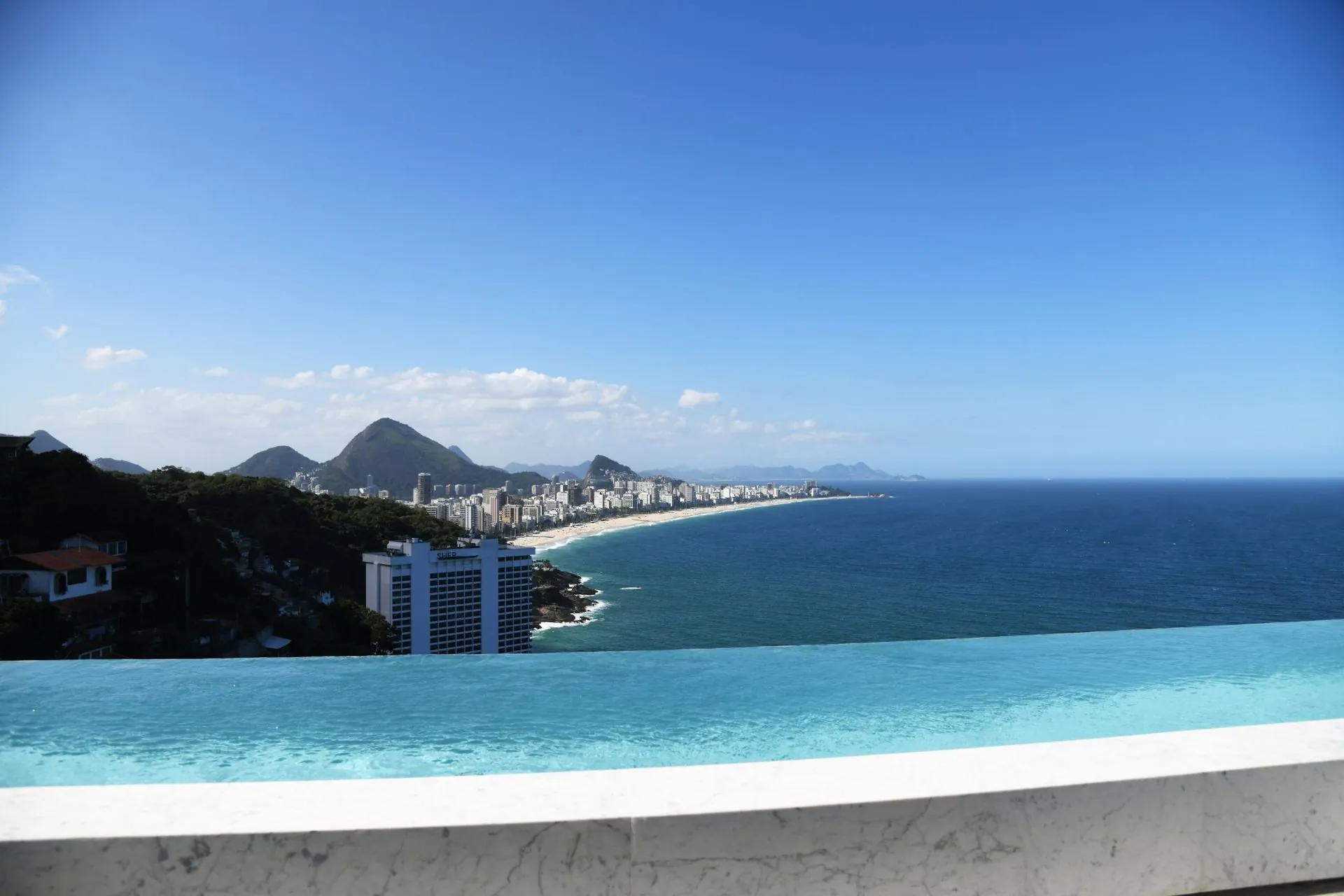
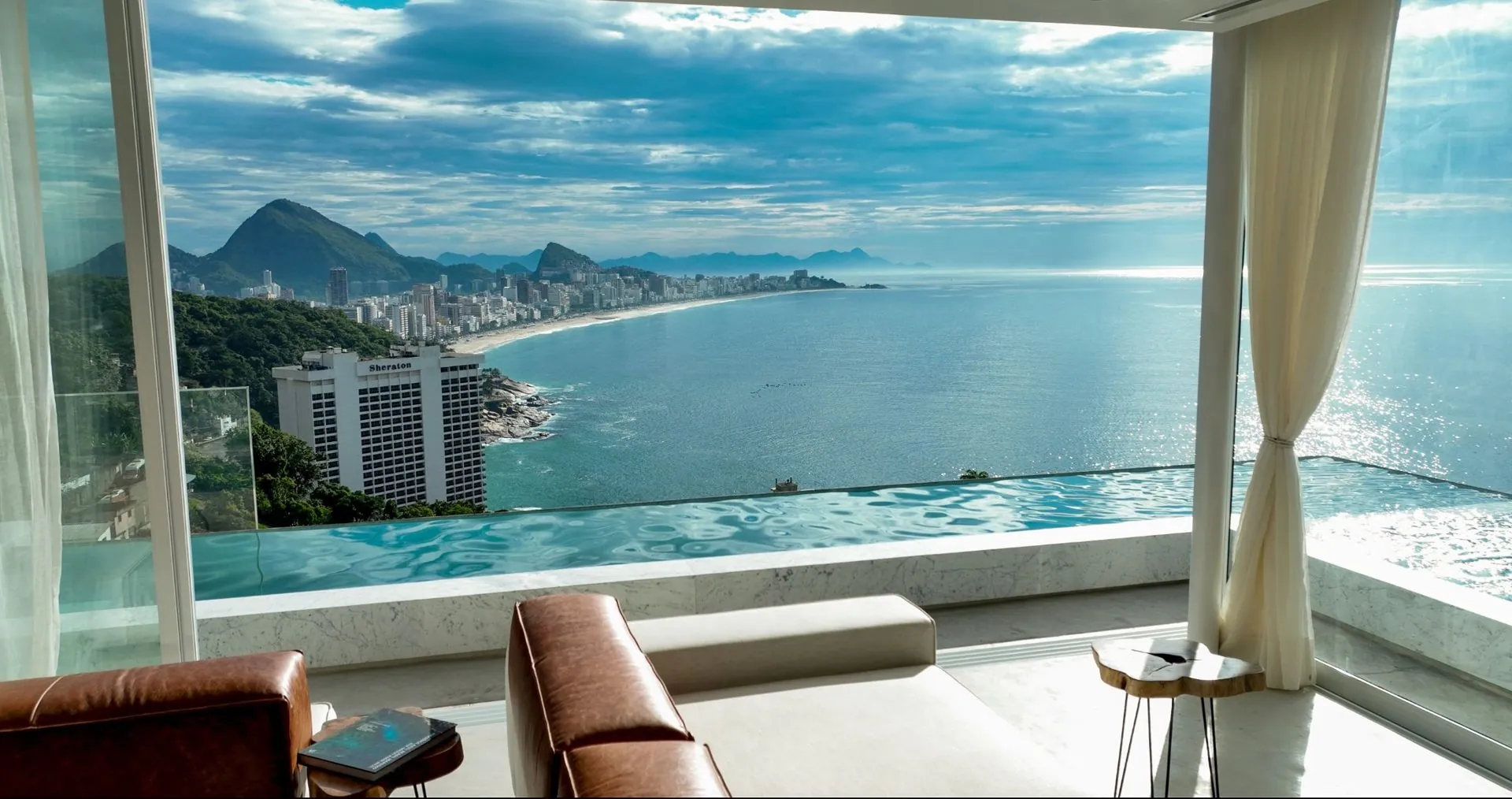
Photo: the infinity pool of an oceanfront villa in Joá that Art de Vivre has for sale, looking toward the Pedra da Gávea.
- Rio asking prices rose 5.57% in the 12 months to September 2026 (FipeZap), ahead of inflation. Leblon rose 13.2% and Ipanema 10.3%.
- The real gained about 7.6% on the dollar and 11.8% on the euro in 2026, so Rio prices rose roughly 13% in dollar terms this year.
- The Selic has fallen from 15% to 13.75%. Economists expect 12% by the end of 2027, though mortgage rates have barely moved.
- Rents in Rio rose 14.8% in a year, for a gross yield of 6.3%. Short stays in condominiums depend on the building's rules while the courts settle the question.
- New flights reach Galeão by January 2027, a Sofitel is due to open in Ipanema in December 2026, and a Four Seasons is coming to Leblon in 2029.
- Reading time
- 23 min
- Length
- 5,211 words
- Chapters
- 13
- Published
- October 16, 2026
Every autumn our clients abroad ask the same question in different words: is next year a good year to buy in Rio? For 2027 the answer starts with numbers that look different from a year ago. Prices in the best neighborhoods are rising faster than they have in a decade. The real has strengthened, which makes Rio dearer for a buyer paying in dollars or euros than it was in January. Interest rates have started to come down from a very high level. And the city around the property is changing, with new flights into Galeão, new hotels on the beachfront and a World Cup final at the Maracanã.
This guide puts those numbers in one place, from primary sources: the central bank for rates and currency, FipeZap for prices and rents, the city for its building programs. Then it goes neighborhood by neighborhood, from Leblon to Joá, and ends with how we would approach a purchase in 2027. Where something is a forecast, we say whose forecast it is. Where it is our view as brokers, we say that too.
We sell homes across Zona Sul and the coast to the west of it, and the photographs in this guide are of homes we have for sale now, from a villa above the sea in Joá to a duplex penthouse in Vidigal. Tax is the one subject this guide only touches on, because the 2027 changes deserve their own piece: our guide to Brazil's 2027 tax changes for property owners covers them in detail.
What changes for buyers in 2027
Five things move in 2027, and each one touches a purchase in a different way.
- Prices are rising faster in the best neighborhoods. Rio's asking prices rose 5.57% in the 12 months to September 2026, ahead of inflation, and Leblon, Ipanema and Copacabana rose between 9.9% and 13.2%. This is the strongest run for Rio prices since 2014, after five years of falls between 2015 and 2019.
- The real is stronger. A dollar bought R$5.50 at the end of 2025 and about R$5.08 in mid-October 2026. A euro fell from R$6.47 to R$5.71. For a foreign buyer, the same apartment costs more in their own currency than it did a year ago.
- Rates are coming down. The central bank has cut the Selic five times in 2026, from 15% to 13.75%, and the market expects 12% by the end of 2027. Mortgage rates have not followed yet.
- The tax system changes. The new federal consumption tax, the CBS, is charged in full from January 2027, with special rules for property sales and rentals, including short stays. Our tax guide explains who it touches.
- The city is busier. Rio de Janeiro state set a record of 2.2 million foreign visitors in 2025, and 2026 is running ahead of it. Galeão's new operator has announced more than 50 extra weekly flights by January 2027, and the city hosts the Women's World Cup final in July.
None of these is a reason on its own to buy or to wait. Together they describe a market that has turned. For most of the last decade, buyers in Rio had time and choice: prices were flat or falling in real terms, and sellers waited. In 2026 that changed in Leblon and Ipanema.
A new government term
Brazil voted for president, governors and Congress in October 2026, with a presidential runoff on October 25, and a new federal term begins on January 1, 2027. Buyers converting a large sum often send it over a few weeks rather than on one day, which evens out the rate. Over ten years, the building and the street matter more than any one election.
Where prices stand
FipeZap, the index run by the Fipe economic institute with the OLX group's listing data, is the standard measure of asking prices in Brazilian cities. Its September 2026 report put Rio's average asking price at R$11,302 a square meter, from a sample of more than 190,000 listings, with prices up 0.76% in the month, 4.34% since January and 5.57% over 12 months. Over the same 12 months consumer inflation was 4.58%, so Rio prices rose in real terms.
The city average hides a wide range. FipeZap publishes a chart of the city's most representative neighborhoods, and the top of it is the part of Rio our clients buy in.
| Neighborhood | R$ per m² | 12 months |
|---|---|---|
| Leblon | 28,837 | +13.2% |
| Ipanema | 26,996 | +10.3% |
| Lagoa | 17,519 | +1.3% |
| Barra da Tijuca | 14,561 | +4.9% |
| Copacabana | 13,811 | +9.9% |
| Botafogo | 13,555 | +4.2% |
| Flamengo | 12,833 | +5.9% |
| Rio, city average | 11,302 | +5.57% |
Two things stand out. Leblon and Ipanema are now close to R$27,000 to R$29,000 a square meter on average, more than double the city average, and both rose by double digits in a year. Copacabana, at about half the price of Leblon, rose almost as fast, at 9.9%. Lagoa, which is priced between the two, barely moved.
The top of the market
Averages are only a starting point at the high end, where a sea view, a renovated building or a penthouse terrace can double the price of the same square meter. Brain Inteligência Estratégica, a research firm that tracks new developments, put the average price of high-end and luxury launches in Rio at R$33,431 a square meter in the second quarter of 2026, up 9.1% in a year, with new high-end launches in Leblon averaging R$71,338 a square meter. Ademi-RJ, the developers' association, reported price rises of 13.8% for homes above R$3 million and 42.1% for homes above R$5 million in the first half of 2025.
The same Brain report showed very few new luxury launches in mid-2026: 11 units above R$3 million in the second quarter, against 84 a year earlier. New supply at the top of the market is thin, which is part of why prices for existing apartments with views have moved the way they have. For a buyer, that means the choice in 2027 is mostly among existing buildings, many of them from the 1950s to the 1980s, and the quality of a renovation matters as much as the address. Our guide to Rio's residential buildings covers the addresses worth knowing.
The real and your currency
For a buyer bringing money from abroad, the exchange rate matters as much as the price in reais. In 2026 the real had a strong year. By the central bank's PTAX rate, a dollar bought R$5.50 on December 31, 2025, touched a low of about R$4.90 in May, and bought about R$5.08 in mid-October 2026: a gain of roughly 7.6% for the real. Against the euro the move was larger, from R$6.47 to about R$5.71, roughly 11.8%.
Put that together with prices, and Rio property rose roughly 13% in dollar terms between the end of 2025 and the autumn of 2026: about 4.3% in reais, plus the real's gain. For a buyer measuring in euros, the rise was larger still. That is the other side of the strong year for owners: a foreigner who already owned in Rio at the start of 2026 has seen the value of the home rise in their own currency as well as in reais.
What the forecasts say
The central bank's weekly Focus survey of economists, from October 9, 2026, put the median forecast at R$5.15 per dollar for the end of 2026 and R$5.26 for the end of 2027, slightly weaker than today. Focus does not forecast the euro. Currency forecasts are often wrong, and we would not buy or wait on the strength of one. What the forecasts do suggest is that the market does not expect the real's 2026 gain to continue at the same pace.
How to convert
The practical points are the same in any year. Money for a property purchase should arrive in Brazil through a formal foreign exchange contract, a contrato de câmbio, in the buyer's name, and be registered with the central bank as foreign investment, so that it can leave again when the property is sold. Buyers converting a large sum often split it into several transfers over a few weeks to average the rate. And the deposit, the sinal, is usually paid in reais at signing of the promissory contract, so it pays to have funds in Brazil a little before you need them. Our guides to banking in Brazil and the currency converter cover the details, and our guide to getting paid abroad explains the route out.
Interest rates and mortgages
Brazil's interest rates are among the highest in the world, and in 2026 they started to come down. The central bank's monetary policy committee, the Copom, held the Selic at 15% through January, then cut it at every meeting from March: to 14.75%, 14.50%, 14.25%, 14% and, on September 16, to 13.75%. The committee's two remaining meetings of 2026 are in early November and December, and the market expects 13.25% by the end of the year.
For 2027, the Focus survey's median forecast is a Selic of 12% at the end of the year, and 10.5% at the end of 2028. Inflation is expected at 5.22% for 2026 and 4.30% for 2027, above the central bank's 3% target, which is why the cuts are gradual.
Mortgages have not followed yet
The central bank's own data show that the average rate on new market-rate home loans was 14.70% a year in December 2025 and 14.24% in August 2026: barely changed, despite the Selic cuts. Regulated home loans, funded by savings deposits, rose slightly over the same period, from 10.28% to 10.91%. Home lending is growing fast all the same: savings-funded home loans reached R$132.5 billion from January to August 2026, 37% more than a year earlier, according to Abecip, the mortgage lenders' association.
A new funding model for savings-backed mortgages, announced in October 2025, is due to be fully in place from January 2027. It raised the ceiling for the regulated housing finance system from R$1.5 million to R$2.25 million in property value and caps those loans at 12% a year. In August 2026 the banks asked the central bank to delay the full model by a year; as of October 2026 there was no decision.
What this means for a foreign buyer
At 14% a year, a Brazilian mortgage rarely makes sense for a buyer who can borrow more cheaply at home or pay in cash, and the regulated loans are limited in value and in who can take them. Foreigners can borrow in Brazil, usually with a CPF, proof of income and often residency, but most of the buyers we work with from abroad buy with funds brought from home. Falling rates still matter to them, for a simple reason: they bring Brazilian buyers back into the market, and Brazilian buyers are the majority of the market. Our guide to financing a purchase explains the options in detail.
Leblon and Ipanema
Leblon and Ipanema are Rio's most expensive neighborhoods, and in 2026 they were the fastest-rising too: Leblon up 13.2% to an average R$28,837 a square meter, Ipanema up 10.3% to R$26,996. Rents rose with them: R$124.70 a square meter a month in Leblon and R$118.10 in Ipanema, up 8.5% and 13.7% in a year.
Part of the story is the beachfront. The old Caesar Park on Avenida Vieira Souto is due to reopen in December 2026 as the Sofitel Rio de Janeiro Ipanema, Accor's first Sofitel flagship in Brazil. The former Hotel Praia Ipanema, closed since 2023, was taken over in August 2026 by new owners who plan an international ultra-luxury hotel there; the brand has not been announced. And Four Seasons has announced a hotel on the Leblon beachfront, in the building of the Marina Palace, for 2029. We expect new five-star hotels on the beach to add to the pull of the streets behind them.
What to look for
The best addresses in both neighborhoods are on the beachfront, Avenida Vieira Souto in Ipanema and Avenida Delfim Moreira in Leblon, and on the first streets behind it, closest to the sand. Further back, the streets around the Praça Nossa Senhora da Paz in Ipanema and the Rua Dias Ferreira restaurant district in Leblon are the most sought after. Buildings vary enormously in age and condition. A 1970s building with a new façade, a renovated lobby and a well-run condominium is a different asset from one that has had none of those, even on the same street.
Penthouses, the coberturas with private terraces and often pools, are the most sought-after product in both neighborhoods and the hardest to find. When one comes to the market in a good building, it tends to sell quickly. Our comparison of Copacabana, Ipanema and Leblon goes into the differences street by street, and our neighborhood pages for Leblon и Ipanema list the buildings we know best.
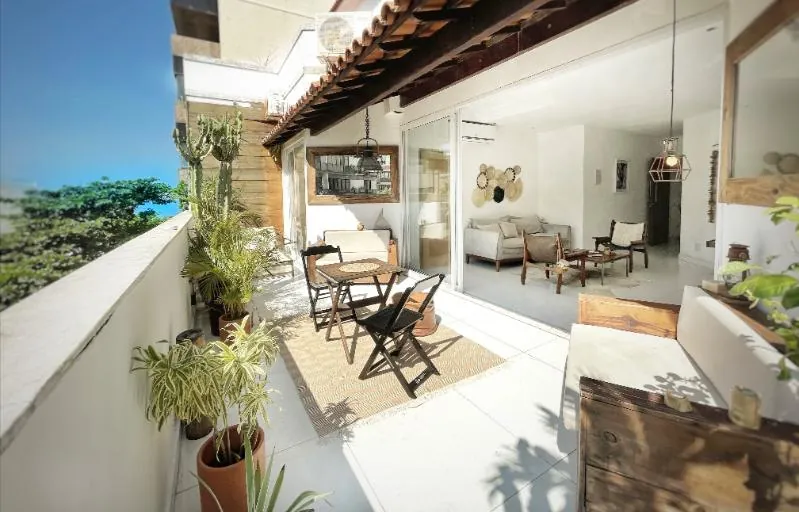 For sale · IpanemaSix-suite penthouse near Ipanema beachA penthouse with six suites, 50 meters from the center of Ipanema beach, with a long veranda and terrace.See the home →
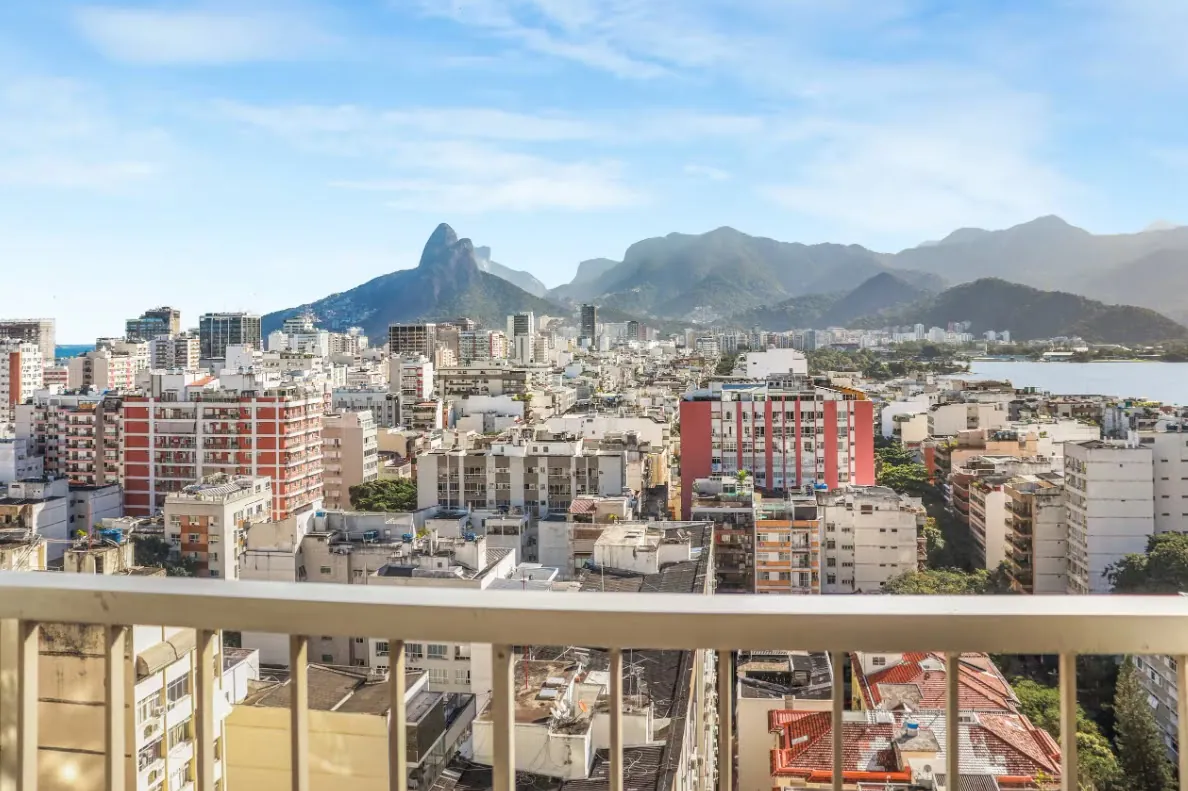 For sale · IpanemaPanoramic-view apartment in IpanemaTwo suites with a balcony view over Ipanema to the Lagoa and the Dois Irmãos peaks.See the home →
Copacabana, Lagoa and Botafogo
Copacabana is where the value is, and in 2026 more buyers noticed. Its average asking price rose 9.9% in 12 months to R$13,811 a square meter, less than half of Leblon's, and its rents rose 20.2% to R$77.30 a square meter a month, the fastest of any neighborhood in FipeZap's Rio chart. Ademi-RJ, the developers' association, found that foreigners bought 32% of the compact new units sold in developments it analyzed in Copacabana, Ipanema and Leblon between November 2025 and April 2026.
Copacabana is a neighborhood of contrasts. The beachfront along Avenida Atlântica has some of the best views in the city, from the Leme end to the Forte, with Sugarloaf at one end of the bay and the Réveillon fireworks in front of it. The streets behind vary block by block. The Posto 5 and Posto 6 end, near Ipanema, and the quieter Leme end are the parts most of our buyers choose, and a beachfront penthouse on Atlântica is one of the most beautiful homes Rio offers.
Lagoa and the Jardim Botânico
Lagoa, the neighborhood around the Rodrigo de Freitas lagoon, moved little in 2026, up 1.3% to R$17,519 a square meter, while its rents rose 18.2%. It is a family neighborhood, greener and calmer than the beach, with larger apartments, many with views of the lagoon and Corcovado, and a 7.5-kilometer path around the water for running and cycling. A buyer who wants space and a view rather than the sand can find better value here than in Ipanema, ten minutes away. The Jardim Botânico and Gávea, beside it, share that character.
Botafogo and Flamengo
Botafogo, up 4.2% to R$13,555, and Flamengo, up 5.9% to R$12,833, are the neighborhoods younger Brazilian professionals have moved to over the last decade, with restaurants, bars and the metro on the doorstep, and rents up almost 20% in a year in both. They are not where most of our foreign clients buy for their own use, but for a buyer who wants a long-term rental investment with steady demand, they deserve a look.
Our neighborhood guides cover Copacabana, Lagoa and the Jardim Botânico in depth.
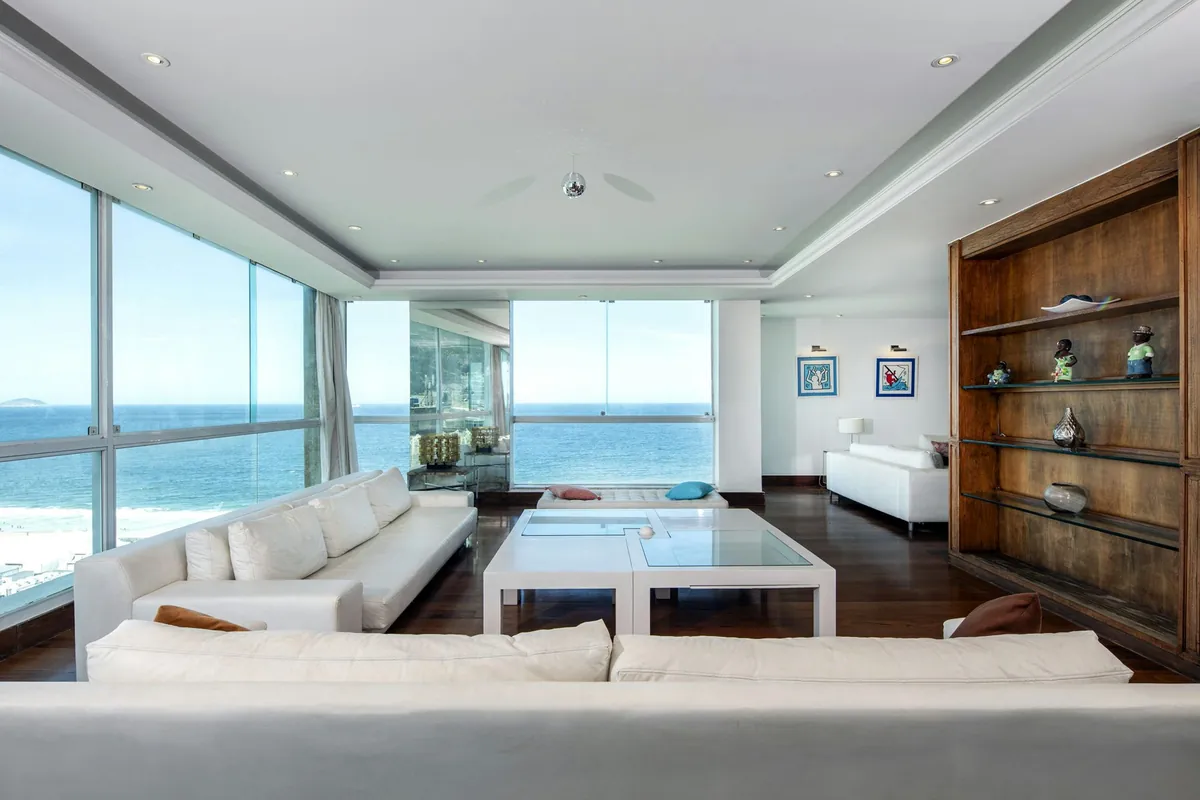 For sale · CopacabanaCopacabana duplex penthouseFive suites, a pool and a view of the whole of Copacabana beach, from a beachfront building on Avenida Atlântica.See the home →
Joá, São Conrado and Vidigal
West of Leblon, the city changes. The coast road climbs past Vidigal, drops into the bay of São Conrado under the Pedra da Gávea, and climbs again through the cliffs of Joá toward Barra. This is where Rio's houses are: villas with gardens and pools above the sea, rather than apartments, a few minutes' drive from the restaurants of Leblon.
FipeZap does not publish prices for these neighborhoods. What we see from our own sales and listings is that the best houses in Joá and São Conrado sell to a small group of buyers, Brazilian and foreign, who want privacy, outdoor space and the ocean, and that good houses are scarce. Many trade privately. Our photo essay on Joá and São Conrado describes the two neighborhoods street by street.
The metro to Gávea
The change to watch here is underground. Line 4 of the metro already runs from Ipanema through São Conrado to Barra. The station that will connect it to Gávea, on the edge of Leblon and the Lagoa, restarted construction in 2025, and MetrôRio's own reporting put the civil works at about 39 months from May 2025. Press reports from a July 2026 site visit put the opening in 2028. When it opens, Gávea, São Conrado and the PUC university will be minutes apart by train.
Vidigal
Vidigal is the hillside community at the end of Leblon beach, below the Dois Irmãos, and over the last fifteen years it has become one of the most interesting places to own in Rio: boutique hotels, restaurants with the best sunset in the city, and houses and penthouses with views straight down the coast to Ipanema and Copacabana. It is a different kind of purchase from Leblon, and title and access work differently on the hill; we walk every buyer through both, and we sell and manage homes there today.
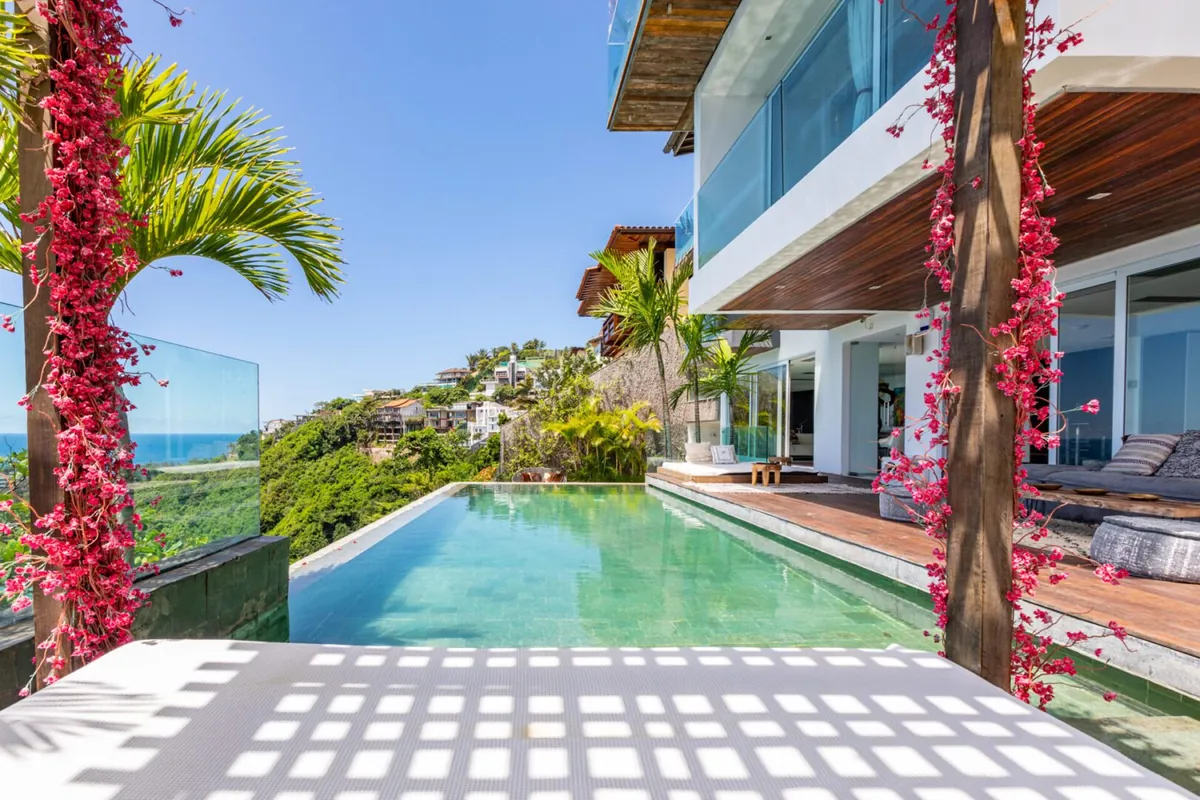 For sale · JoáOceanfront villa in JoáFive suites on the cliffs of Joá, with an infinity pool, terraces on several levels and the Atlantic below.See the home →
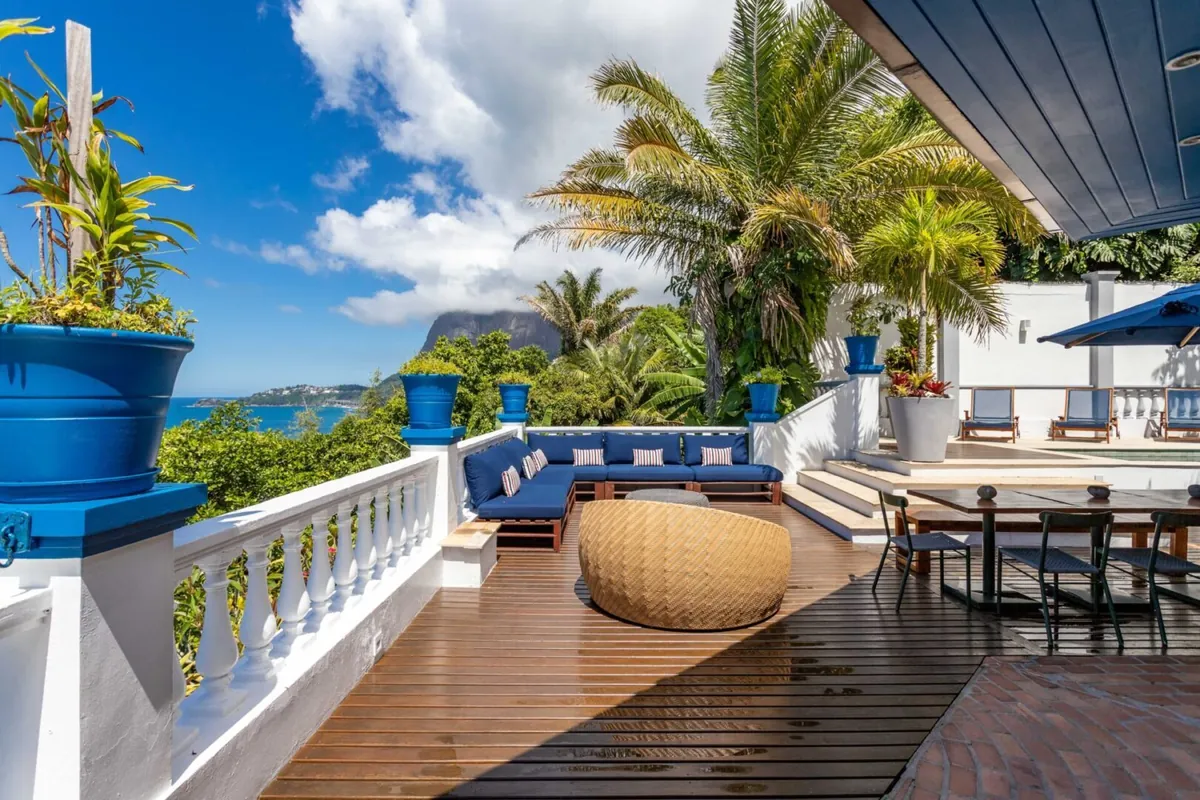 For sale · São ConradoElis Regina House, São ConradoA four-suite house with a pool and ocean decks on the São Conrado hillside.See the home →
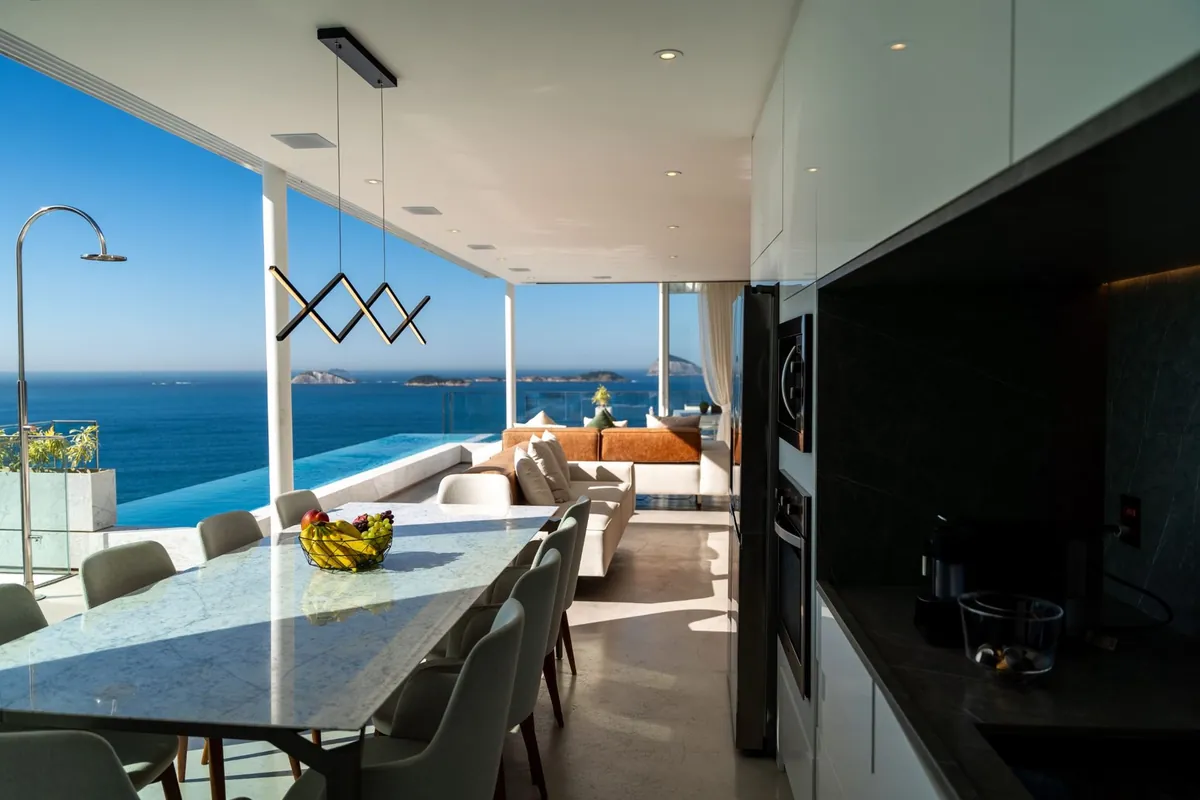 For sale · VidigalDuplex penthouse in VidigalFour suites, an infinity pool and a view along the coast from Leblon to Copacabana.See the home →

The center and the port
The biggest change in Rio's housing is happening far from the beach. The city's Reviver Centro program, launched in 2021 to bring people back to live in the old center, has licensed 81 projects with 8,998 units by June 2026, according to the city's own monthly report. Most are conversions of old office buildings into apartments, 65 projects with 5,086 units; the rest are new buildings. About 1,772 homes had been completed by mid-2026, and licensing doubled in 2025, with 22 projects and 3,270 units.
Next door, in the old port, the Porto Maravilha district has licensed about 12,000 homes in 30 projects over five years, according to city data reported by O Globo, with 3,385 already delivered. The area around the Museu do Amanhã, the Boulevard Olímpico and the Píer Mauá cruise terminal is becoming a residential neighborhood, with 20,000 to 30,000 new residents expected. The city has also announced a plan to demolish the Elevado 31 de Março overpass near the Sambódromo at Praça Onze and replace it with open space, housing and a museum, though no works dates have been set.
Buying in the center
For most of our clients, the center is not where they would live. It is, however, part of the story of where the city is going, and a buyer looking for a long-term rental investment at a fraction of Zona Sul prices may find it interesting, with the caveat that a new neighborhood takes years to settle. What it changes for Zona Sul is supply: thousands of new homes in the center and the port give younger Brazilians an alternative to the older apartments of Botafogo and Flamengo, which over time keeps Zona Sul's own market focused on the beach and the views.
Santa Teresa, on the hill above the center, is the exception many of our foreign buyers love: a neighborhood of old mansions, studios and gardens, with the tram running down to Lapa and views over the bay to Sugarloaf and Corcovado.
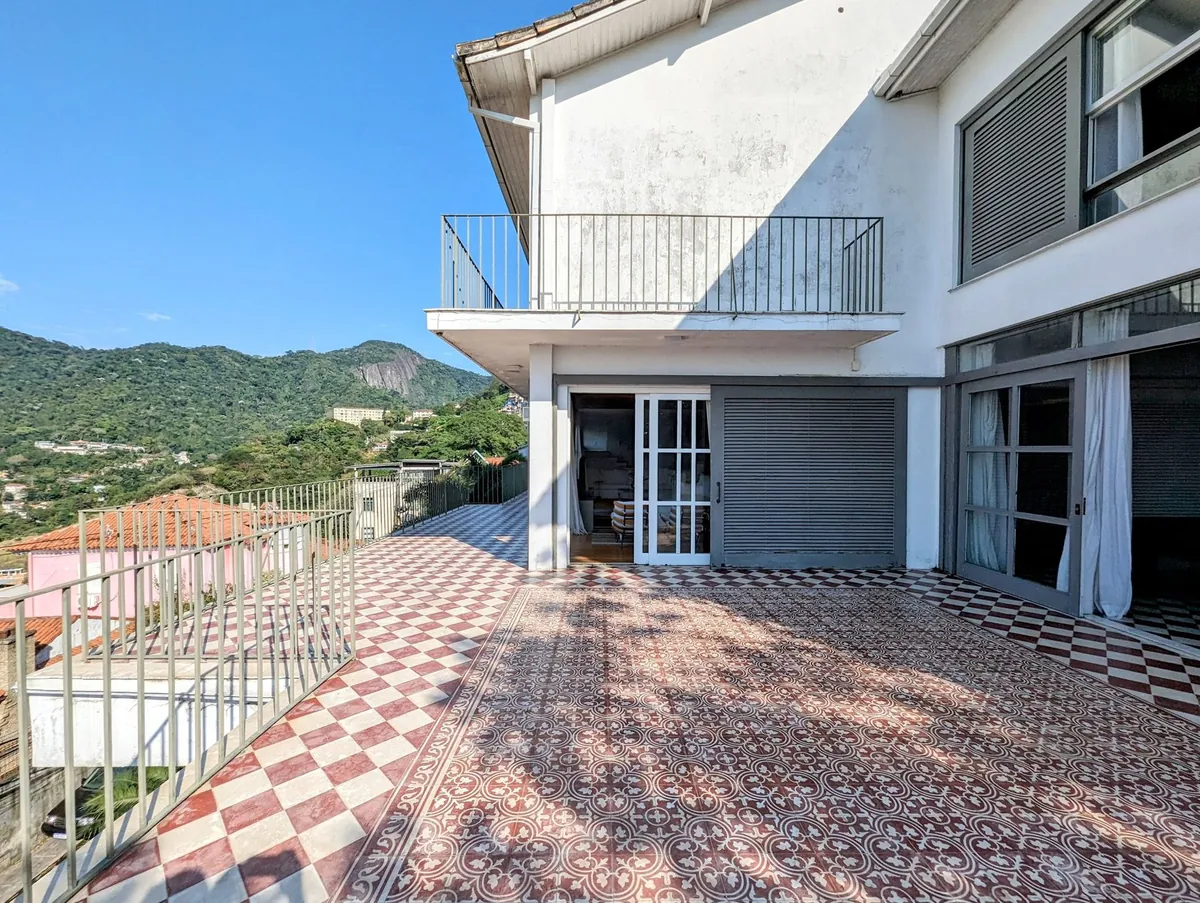 For sale · Santa TeresaFive-bedroom house in Santa TeresaA family house with a pool, terraces and views of Christ the Redeemer and Sugarloaf.See the home →
Buying to rent
Many of our buyers rent their Rio home when they are not using it, and 2026 was a strong year for landlords. FipeZap's rent index for new leases in Rio rose 14.80% in the 12 months to September 2026, one of the highest rises among Brazil's state capitals, and the average gross rental yield in the city was 6.30% a year. In the neighborhoods our clients buy in, rents rose 8.5% in Leblon, 13.7% in Ipanema and 20.2% in Copacabana.
Short stays are a separate market, and the one most of our owners choose: furnished, rented by the night through Airbnb, Booking.com and direct bookings, and managed for them. Rio state's record foreign visitor numbers, the World Cup final in July 2027 and a full calendar of events feed that demand. An FGV study commissioned by Airbnb estimated that Airbnb activity moved more than R$12 billion in the city in 2025.
The condominium question
The question every buyer of an apartment for short stays must ask is whether the building allows it. In May 2026 Brazil's Superior Court of Justice ruled, by a majority, that habitual short-term rental through platforms in a residential condominium needs prior authorization in the building's convention, approved by two-thirds of the owners. The decision was not binding on other courts, and the court then took the question up as a repetitive appeal, which will set a binding rule nationwide; until then, related cases are suspended. In August 2026 the federal prosecutors' office gave the opinion that no prior approval should be needed unless the convention expressly prohibits short stays.
The practical advice is the same whatever the court decides: read the convention and the building's internal rules before you sign, ask the síndico, the building manager, how the building treats short stays today, and buy where the answer is clear. Houses outside a condominium, and buildings whose convention allows short stays, are not affected. Our guide to short-stay rules in Rio condominiums explains the ruling in full, and our comparison of short stays and long-term rentals sets out the numbers.
Tax on rental income
From 2027, the tax reform also reaches rentals, with short stays of up to 90 days treated like hotel services for owners who fall inside the new tax. Many individual owners will stay outside it, depending on how much rental income they earn and how many properties they rent. Our 2027 tax guide sets out the thresholds.
Getting to Rio in 2027
For a foreign owner, how easy it is to reach a home matters as much as the home. Rio's international airport, Galeão, had a record year in 2025, with about 18 million passengers, and in 2026 it changed hands. The Spanish airport group Aena won the concession at auction in March 2026, with a bid of R$2.9 billion, and took over in October. On October 13 it announced more than 50 extra weekly flights by January 2027 to nine cities, among them Paris, Miami, Frankfurt, Lisbon, Porto and Atlanta, and new or resumed service to nine more, including New York, Dallas, Toronto and Montreal. The airlines and dates for each route had not all been published.
Some routes are already flying. GOL made Galeão its international hub in 2026, with three flights a week to New York's JFK from July 8, 2026, and a Lisbon route from September 16, 2026, rising to five a week from late November. GOL's 2027 New York season, from March 28, 2027, is already on sale.
Santos Dumont
Santos Dumont, the city-center airport for domestic flights, has a cap on passengers, set to push traffic back to Galeão. The cap rises from 6.5 million passengers a year to 8.5 million in 2027 and 9.5 million in 2028, and is lifted in 2029, according to the reports of the Galeão announcement. For owners who fly to São Paulo or Brasília often, that means more short flights from the center.
More direct flights help buyers in two ways: owners visit more often, which is when they use their homes, and guests arrive more easily, which is when the homes earn. When we talk to clients in New York, Miami, Lisbon or Paris about owning in Rio, the length and ease of the journey is often the first question, and 2027 gives a better answer than any year before it. Our where to stay in Rio guide includes the drive times from both airports.
How a purchase works
The steps of a purchase in Rio do not change in 2027, and foreigners buy on the same terms as Brazilians. In outline:
- A CPF. Every buyer needs a Brazilian taxpayer number, which a foreigner can get from a Brazilian consulate abroad or through a representative in Brazil.
- A representative. Most foreign buyers appoint a procurador, a legal representative with a power of attorney, so the purchase can proceed while they are abroad.
- Due diligence. Your lawyer pulls the property's registration, the matrícula, and certificates on the seller and the property to confirm the title is clean and there are no debts that follow the property, such as condominium fees or IPTU, the annual property tax.
- The promissory contract and deposit. Buyer and seller sign a promessa de compra e venda, and the buyer pays the deposit, the sinal.
- The money. Funds arrive through a registered foreign exchange contract and are recorded with the central bank as foreign investment.
- The deed and the transfer tax. The buyer pays ITBI, the municipal transfer tax, the deed, the escritura, is signed at a notary, and it is registered at the property registry, which makes the buyer the owner.
We work alongside independent lawyers on every purchase, and we recommend that every buyer has one. Our legal walk-through for foreign buyers explains each document, our guide to the cost of buying property in Rio lists every fee, and our main buying in Rio guide brings it together.
Residency
Brazil offers residency to foreigners who invest in property above a minimum value, and many of our clients combine a purchase with a residency application. A home in Rio does not require residency, and residency does not require a home, but the two fit together well for a buyer who expects to spend long periods in Brazil. Our visa and residency guide covers the routes.
Timing within the year
Viewing trips are easiest outside the peak weeks of Réveillon and Carnival, when the city is calmer and owners and lawyers are at work. March to June and August to November are the best windows. Sellers are also more open to negotiating in those months than in the weeks after a strong summer. If you can only visit at Carnival, plan your viewings for the days before it.
Where we would buy in 2027
Every buyer is different, and the right home depends on how you will use it. With that said, here is how we see the market for the kinds of buyers we work with most.
For a home you will live in for part of the year
Ipanema and Leblon, on or near the beach, in a well-run building with a renovated common area, or a penthouse with a terrace if your budget allows. Prices have risen fastest here, and that tells you where demand is. These neighborhoods hold value because there is no more beachfront to build, and the new hotels on Vieira Souto and Delfim Moreira will add to their pull. If the budget is tight for Ipanema, look at Lagoa for space and a view, or the Posto 6 end of Copacabana for the beach.
For a house with a garden and a pool
Joá, São Conrado or Vidigal. This is where Rio's best houses are, and they rarely come to the open market. If you want one, tell us early and let us keep a file open for you; when the right house comes up, it can sell quickly, often to a buyer who has been waiting for one.
For an investment to rent
Copacabana, where prices are about half of Leblon's and rents rose fastest in 2026, in a building whose convention allows short stays, or a long lease in Botafogo or Flamengo for a steady yield. For short stays, a two- or three-bedroom apartment near the beach in Copacabana or Ipanema is the most flexible: it suits couples, families and small groups, and it rents across the whole calendar, not only in the event weeks. Our guide to rental yields and our ten-year return calculation do the math.
When to move
If you have been watching the market for a while, 2027 is a good year to start looking: prices in the best neighborhoods rose by double digits in 2026, new luxury supply is scarce, and falling rates are likely to bring more Brazilian buyers into the market. We would not rush a decision, but we would start looking now, so that you are ready when the right home appears.
The outlook for 2027
The economists surveyed by the central bank expect Brazil's economy to grow 1.85% in 2026 and 1.40% in 2027, inflation to ease from 5.22% to 4.30%, the Selic to fall to 12%, and the dollar to end 2027 at about R$5.26. None of those numbers predicts the Rio property market on its own. What drives prices in the neighborhoods we work in is the supply of good homes, which is thin, and the demand from Brazilians and foreigners who want to live by the sea in one of the most beautiful cities in the world, which is strong.
Our own view, as brokers who sell and manage homes here every week, is that 2027 will look much like the second half of 2026: steady demand for the best apartments and houses, fast sales when a good one is priced well, and slower sales for homes that need work or are priced for a market that has not arrived. The World Cup in July will put Rio in front of a global audience again, as the Olympics did in 2016, and new flights and hotels will make the city easier to reach and to stay in.
The questions to ask yourself
- How many weeks a year will you use the home, and in which months?
- Will you rent it out when you are away, and if so, by the night or by the year?
- Do you want an apartment with the beach at the door, or a house with a garden?
- How will you bring the money in, and how will you take it out one day?
- Do you need residency, and does the purchase help you get it?
Send us your answers and we will come back with homes that fit them, on the market and off it. We are a licensed brokerage in Rio, CRECI-RJ 009278/O, and we will put you in touch with independent lawyers and tax advisers for the parts of the purchase that need them. You can browse our homes for sale now, or read our look back at Rio in 2026 for the year that brought the market here.
Frequently asked questions
Are property prices rising in Rio de Janeiro?
Yes. FipeZap's September 2026 report showed Rio asking prices up 5.57% over 12 months, ahead of 4.58% inflation, to an average R$11,302 a square meter. Leblon rose 13.2% to R$28,837, Ipanema 10.3% to R$26,996 and Copacabana 9.9% to R$13,811.
Can foreigners buy property in Rio?
Yes. Foreigners buy on the same terms as Brazilians. You need a CPF, the Brazilian taxpayer number, and most foreign buyers appoint a procurador with a power of attorney. Money should arrive through a registered foreign exchange contract so it can leave again on a sale. Rural land and some border areas have extra rules.
Is 2027 a good time to buy in Rio?
Prices in the best neighborhoods rose by double digits in 2026, new luxury supply is scarce and falling rates are expected to bring more Brazilian buyers in 2027. The real is stronger than a year ago, which makes Rio dearer in dollars. We would start looking early rather than wait for prices to fall.
What are mortgage rates in Brazil in 2026?
Central bank data show the average rate on new market-rate home loans at 14.24% a year in August 2026, barely changed from 14.70% in December 2025 despite Selic cuts. Regulated savings-funded loans averaged 10.91%. Most foreign buyers we work with pay with funds brought from home.
What will the Selic be in 2027?
The central bank's Focus survey of October 9, 2026 put the median forecast at 13.25% for the end of 2026 and 12.00% for the end of 2027, down from 13.75% in October 2026. The Selic was cut five times in 2026, from 15%.
Which Rio neighborhoods are best to buy in?
For a home to live in, Ipanema and Leblon on or near the beach. For a house with a garden and a pool, Joá, São Conrado or Vidigal. For a rental investment, Copacabana near the beach, in a building whose rules allow short stays, or Botafogo and Flamengo for long leases.
Can I rent my Rio apartment on Airbnb?
It depends on the building. In May 2026 the Superior Court of Justice ruled that habitual short-term rental in a residential condominium needs prior authorization in the convention, approved by two-thirds of owners. The question is now pending as a repetitive appeal that will set a binding rule. Houses outside a condominium are not affected.
What are rental yields in Rio?
FipeZap's September 2026 rent report put the average gross yield for new long-term leases in Rio at 6.30% a year, with rents up 14.80% in 12 months. Short stays can earn more in good locations but cost more to run. Yields vary widely by neighborhood and building.
Where the facts come from
- FipeZap, residential sales report, September 2026, October 2026
- FipeZap, residential rent report, September 2026, October 2026
- Banco Central do Brasil, Copom statement, 281st meeting, September 16, 2026
- Banco Central do Brasil, Selic target series (SGS 432), read October 16, 2026
- Banco Central do Brasil, Focus market report, October 9, 2026
- Banco Central do Brasil, US dollar PTAX series (SGS 1), read October 16, 2026
- Banco Central do Brasil, euro PTAX series (SGS 21619), read October 16, 2026
- Banco Central do Brasil, market-rate housing loan rates (SGS 20772), data to August 2026
- Banco Central do Brasil, regulated housing loan rates (SGS 20773), data to August 2026
- IBGE, IPCA inflation (SIDRA table 7060), September 2026 data
- Poder360, how the new home credit model works, October 10, 2025
- Let's Money, banks ask to delay the new credit model, August 20, 2026
- Registro de Imóveis, savings-funded home loans in 2026 (Abecip), October 5, 2026
- Portas, luxury launches in Rio fall but price per m² rises (Brain), September 16, 2026
- Super Rádio Tupi, Ademi-RJ on foreign buyers in Zona Sul, July 15, 2026
- Panrotas, Sofitel Ipanema, September 14, 2026
- Four Seasons, new hotel in Rio de Janeiro, December 10, 2025
- Diário do Rio, former Praia Ipanema hotel to become ultra-luxury hotel, August 14, 2026
- Prefeitura do Rio, Reviver Centro monthly report, June 2026, July 2026
- Agência O Globo via Tribuna do Sertão, the new port neighborhood, August 2, 2026
- MetrôRio, first-quarter 2026 results (Gávea station works), May 2026
- Agência O Globo via Tribuna do Sertão, Gávea metro works, July 20, 2026
- Portas, what is happening with Airbnb in Brazil in 2026, updated September 22, 2026
- Airbnb, economic impact in Rio de Janeiro (FGV study), July 8, 2026
- CNN Brasil, Aena wins Galeão, March 30, 2026
- Agência Brasil via Sou Brasília, Aena's new Galeão routes, October 13, 2026
- Prefeitura do Rio, direct flight to New York, July 8, 2026
- Brasilturis, GOL inaugurates Lisbon to Rio, September 17, 2026
- Diário do Rio, GOL's 2027 New York season on sale, May 18, 2026
- Diário do Rio, record foreign visitors to Rio state in 2025, January 6, 2026
Prices are asking prices from FipeZap, not closing prices. Forecasts are the Focus survey median of October 9, 2026. Dollar-terms changes are our calculation from FipeZap and central bank PTAX rates. Our views as brokers are marked as such. This guide is general information, not legal, tax or investment advice.
More from the Journal
 Owning · Tax 2027
Brazil's 2027 tax changes for property owners
The new CBS from January 2027, the R$240,000 and three-property test, short stays taxed like hotels, the 10% tax on dividends abroad, and what stays the same for non-residents.
Owning · Tax 2027
Brazil's 2027 tax changes for property owners
The new CBS from January 2027, the R$240,000 and three-property test, short stays taxed like hotels, the 10% tax on dividends abroad, and what stays the same for non-residents.
 Market · 2026 in review
Looking back at Rio in 2026
Record foreign visitors, a Carnival decided by a tenth of a point, two million people for Shakira, prices up 13% in Leblon and rents up 15%: the year that set up 2027.
Market · 2026 in review
Looking back at Rio in 2026
Record foreign visitors, a Carnival decided by a tenth of a point, two million people for Shakira, prices up 13% in Leblon and rents up 15%: the year that set up 2027.
 Legal · Q&A
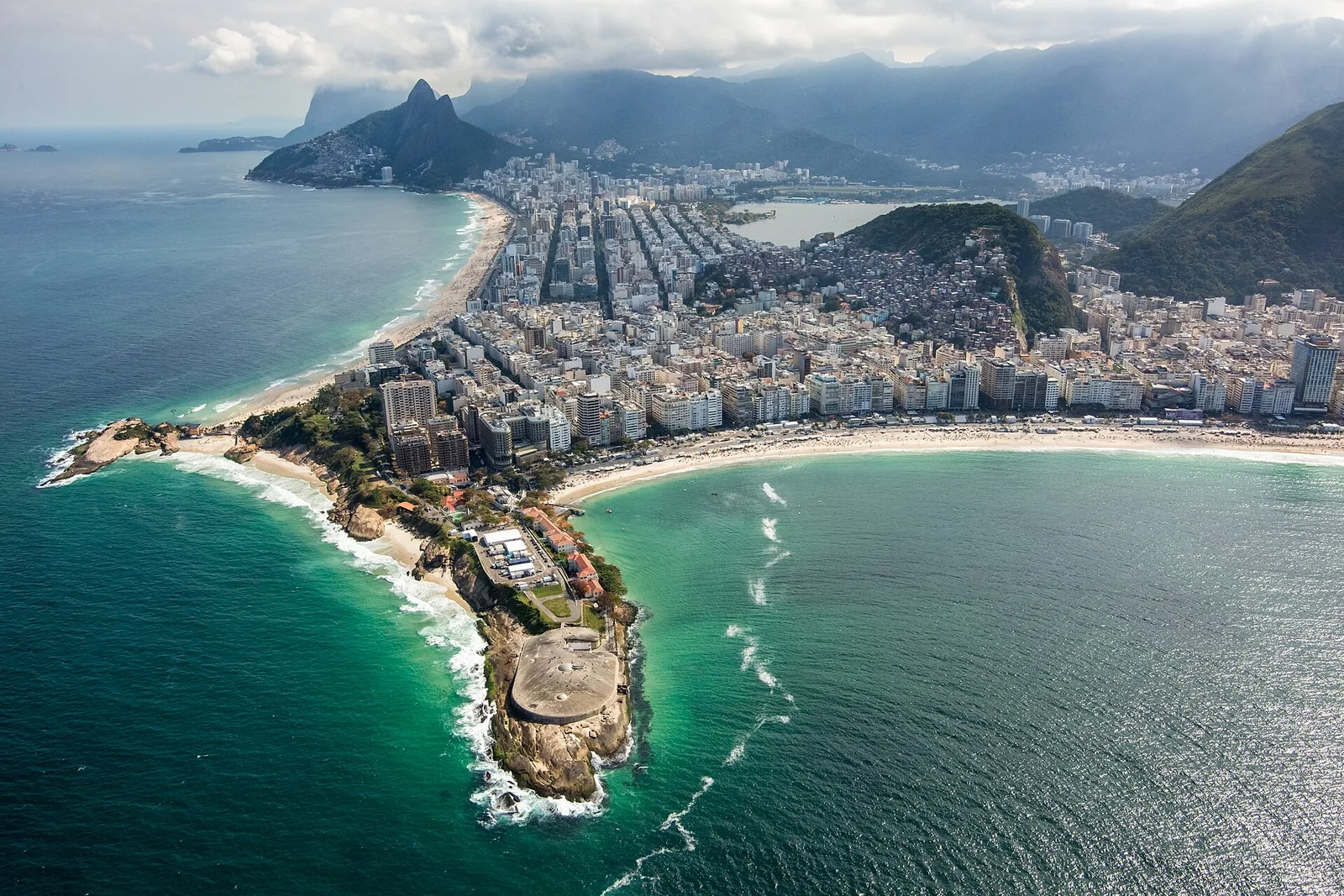
Yes, you can own beachfront in Rio: the legal walk-through
The myth says foreigners can't own near the water. The truth is more interesting — mostly fine, with two rules to know and one place where it isn't, plus a live closing-cost calculator.
Legal · Q&A
Yes, you can own beachfront in Rio: the legal walk-through
The myth says foreigners can't own near the water. The truth is more interesting — mostly fine, with two rules to know and one place where it isn't, plus a live closing-cost calculator.
Tell us what you are looking for
An apartment by the beach, a house with a garden or a home to rent: send us your brief and we will come back with homes on and off the market.